Tamarindus indica
No common name set
EditFabaceae

Main specimen
Habit
Tamarindus indica is a large deciduous tree.
The tree can become very large, growing to about 25 meters in height.
Tamarindus indica has a spreading dome-shaped crown with of anywhere between 10 and 20 meters in diameter depending on site-specific conditions.
The trunk, on old specimens, is very large in circumference but not very tall.
Remark : In some localities, the tree has the appearance of an evergreen because of favourable hydrologic and climatic conditions (high-rainfall, high water-table, short dry season).
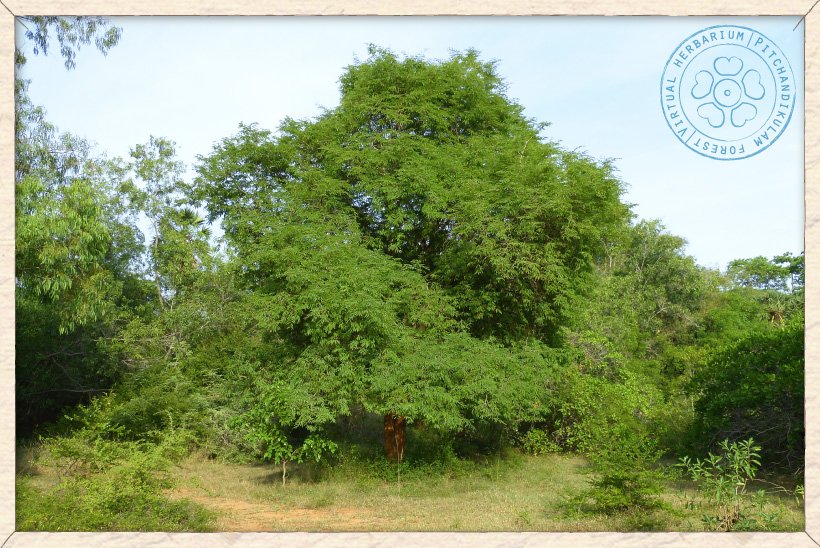
Isolated young Tamarind tree, on the border of a cashew tree plantation
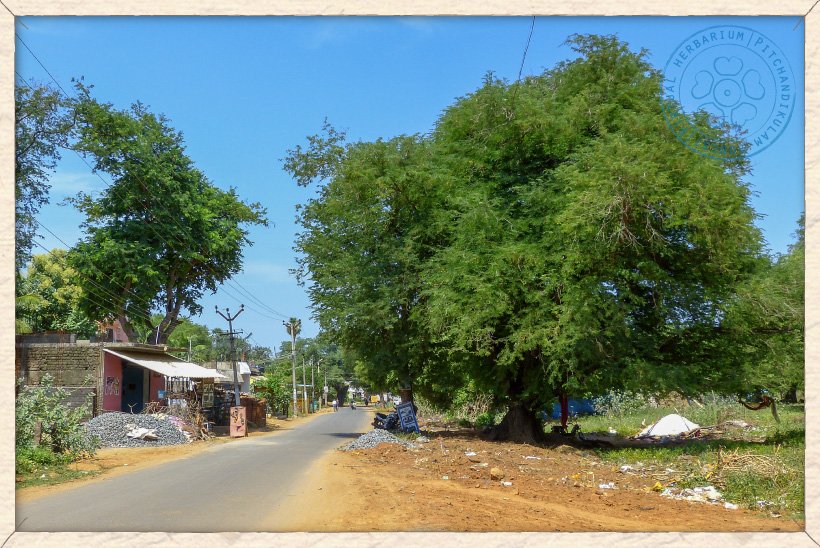
Old Tamarind tree on the roadside in Kuilapalayam village, Tamil Nadu
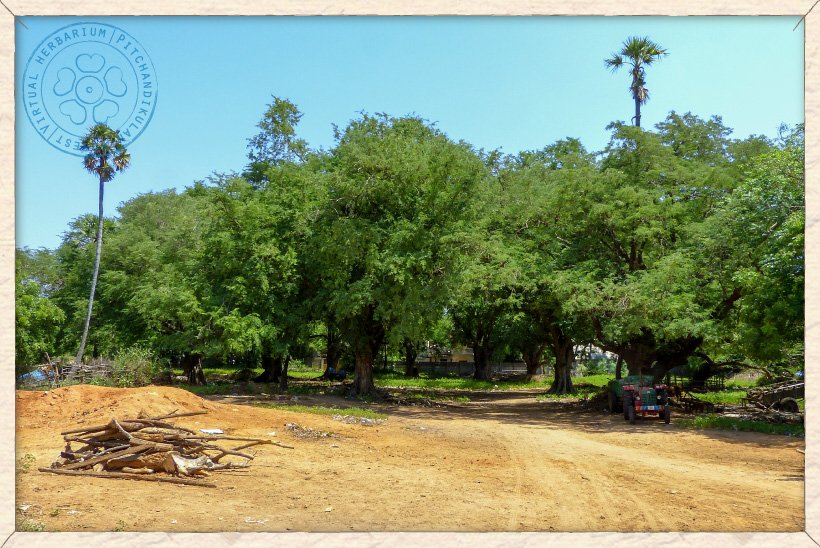
Tamarind tree grove in Kuilapalayam, Tamil Nadu
Stem Bark
The bark is dark grey, longitudinally fissured and horizontally cracked. The bark becomes more smooth on older specimens.
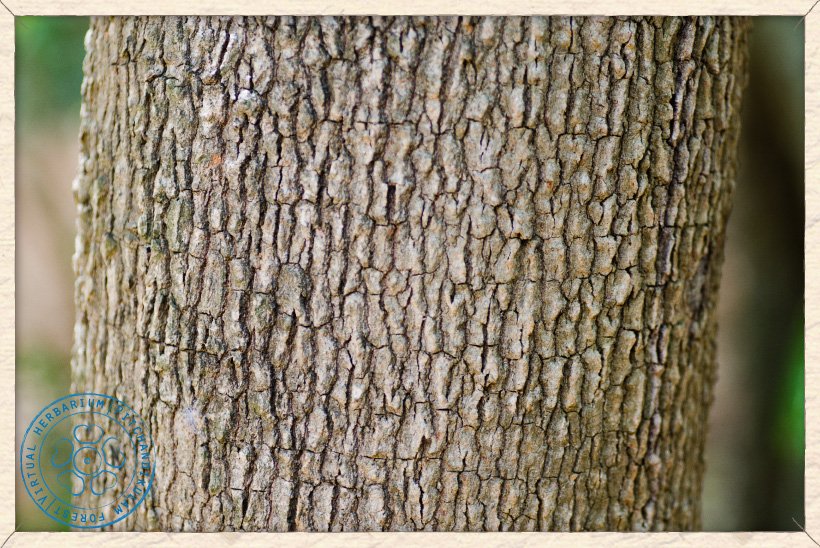
Tamarindus indica trunk
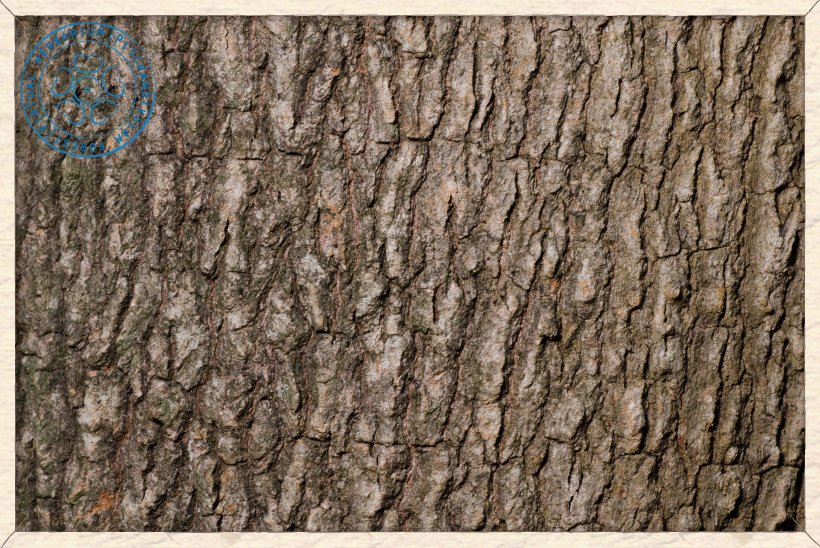
Tamrindus indica bark
Leaf
Tamarindus indica has 5 to 15 cm long compound and paripinnate leaves.
These leaves are composed of 12-20 pairs of leaflets which are opposite, 1-2 cm x 0.4-0.7 mm, narrowly oblong, chartaceous, glabrous or puberulous, base and apex are obtuse (rounded) and the margin is entire.
The petiole is 0.5 to 0.7 cm long and petiolules are reduced.
The rachis is slender and channeled.
The venation of the leaflet is reticulate.
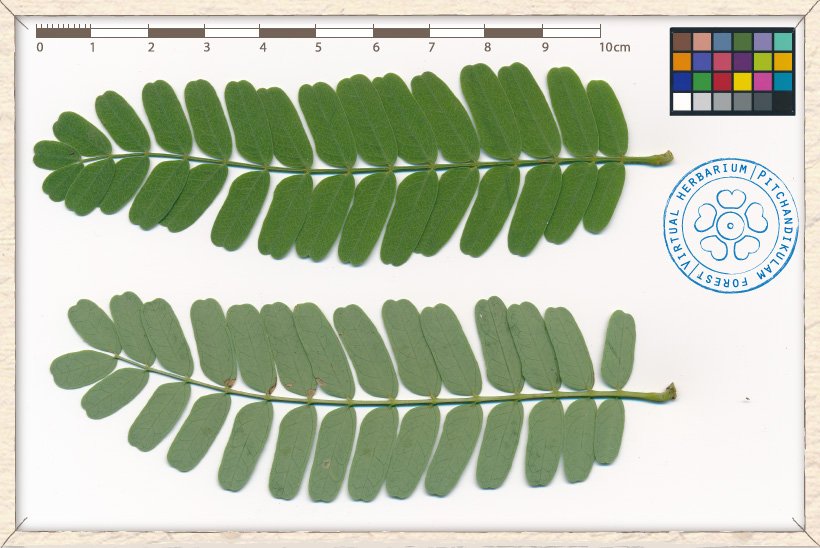
Tamarindus indica leaf : upper and lower sides
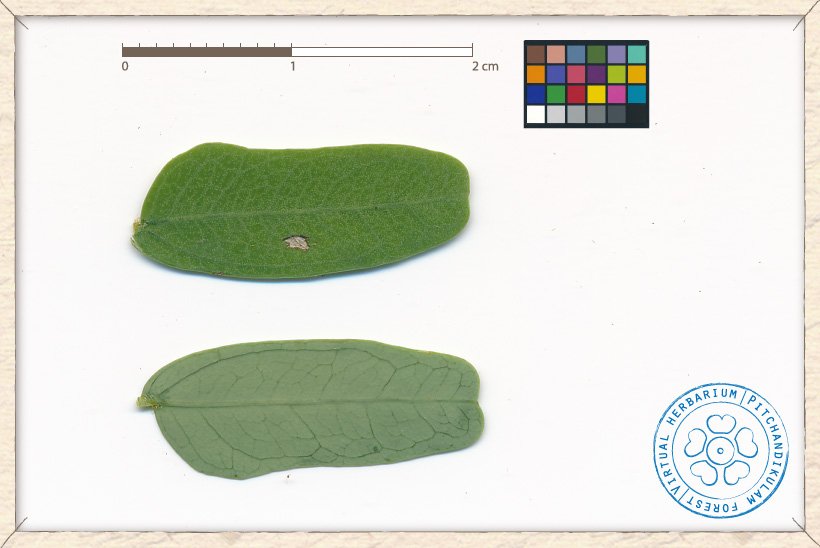
Tamarindus indica leaflet : upper and lower sides
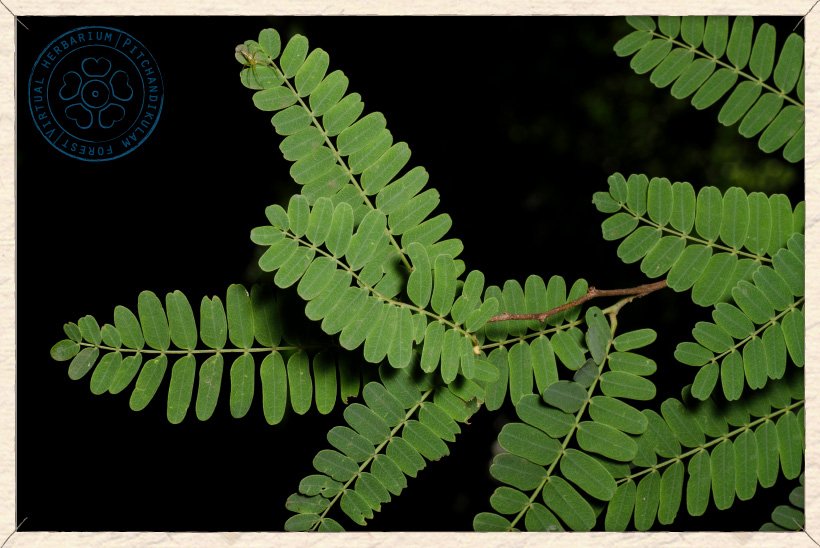
Tamarindus indica leaves
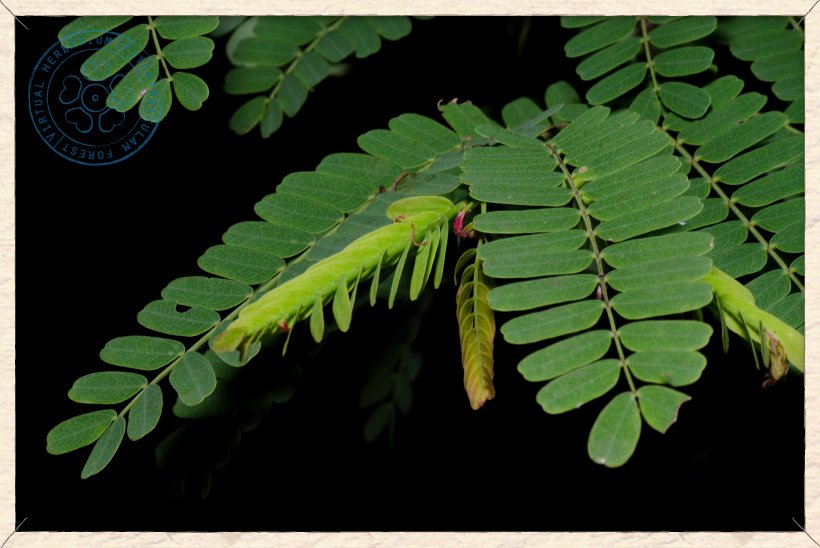
Tamarindus indica leaves (young leaves in light green)
Flower
The flowers are grouped in few flowered racemes (10 cm long) at the end of branchlets.
The peduncle is 0.5 to 1 cm long and pedicels to 0.5 cm.
The calyx is composed of 4 sepals ovate-lanceolate and tip acute, pale yellow coloured, 1cm long.
The petals are pale yellow and variegated with red-pink streaks and pink-dotted. The 2 lateral petals are ovate-lanceolate, clawed, wrinkled along the margins and the outer one is rolled up.
Only 3 petals are developed, 1-1.5 cm x 0.5-0.7 cm and 2 others are reduced to scales.
Only 3 monodelphous stamens are developed forming a subterete staminal sheath to 5-7 mm with a 5-6 mm long filament. Stamens are pubescent at the base.
The anthers are oblong and dorsifixed with 2 bristly staminodes.
The pistil is composed of a 7-8 mm long stipitate ovary and an attenuate and tomentose style to 5 mm with a globose stigma.
The buds are green, pale yellow and pinkish-red before blossoming.
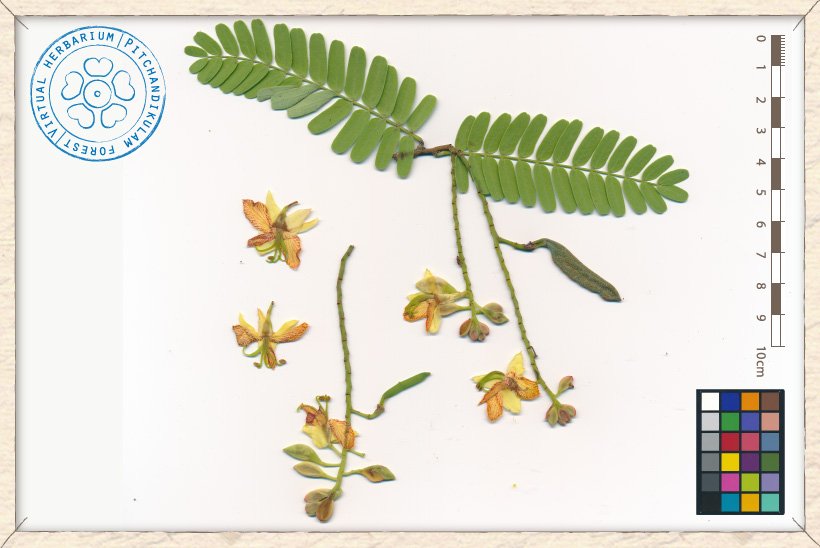
Tamarindus indica flowered racemes with buds, open flowers and young fruits
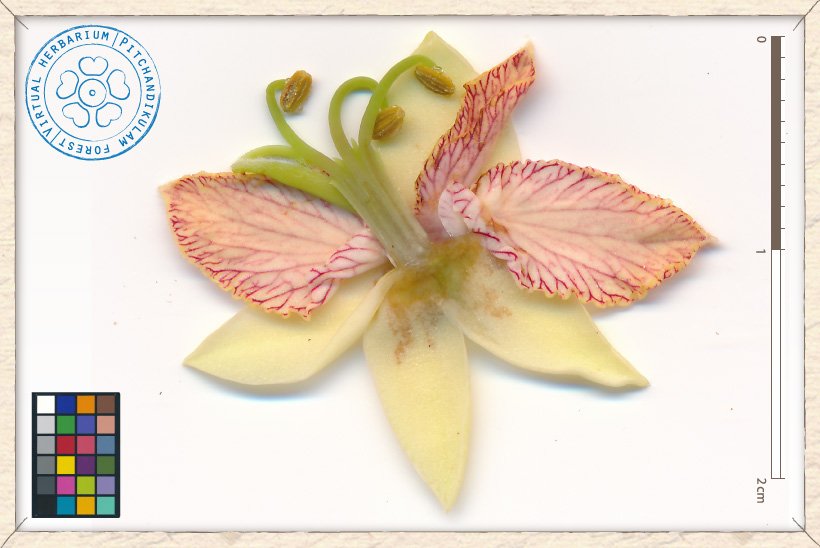
Tamarindus indica flower
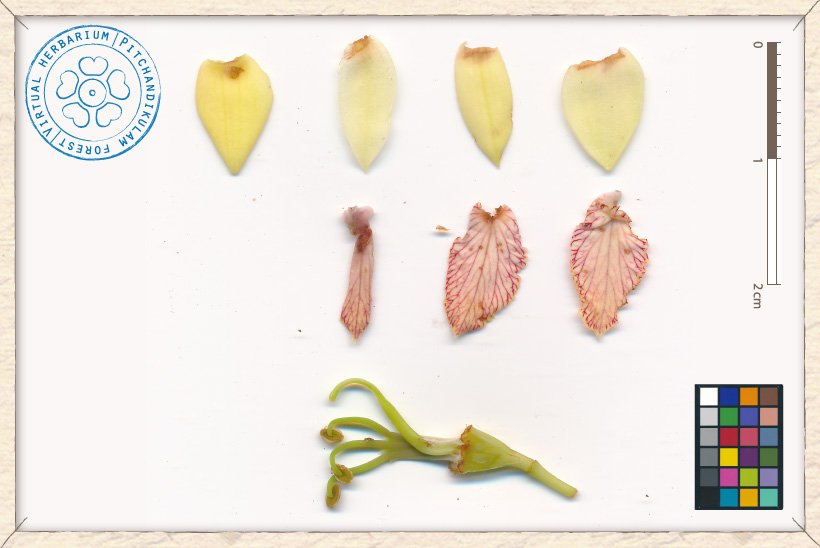
Tamarindus indica flower parts (sepals, petals and reproductive structures)
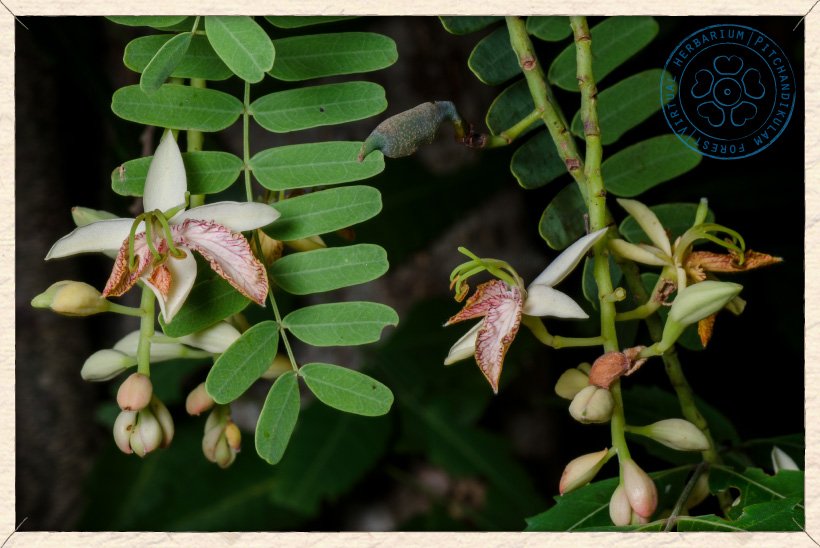
Tamarindus indica flowered racemes (buds, flowers and young pod)
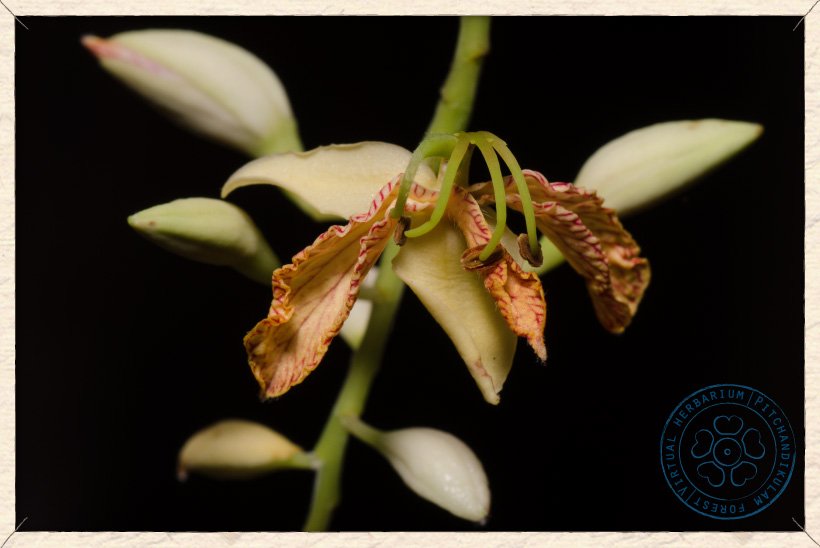
Tamarindus indica flower
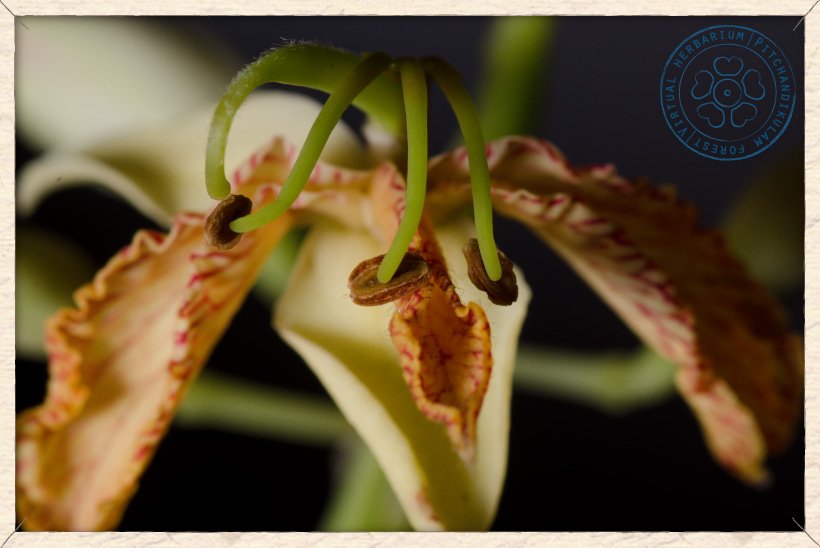
Tamarindus indica reproductive structures (3 stamens and 1 pistil)
Fruit
The fruit is an oblong, curved, sub-compressed and indehiscent pod, 7 to 20 cm long and 1 to 2.5 cm wide.
The fruit-wall (the epicarp) is crustaceous.
The pod is filled with dark brown acidic pulp (the mesocarp), traversed by fibers and the endocarp is septate and leathery.
At maturity the pod is brownish ash coloured.
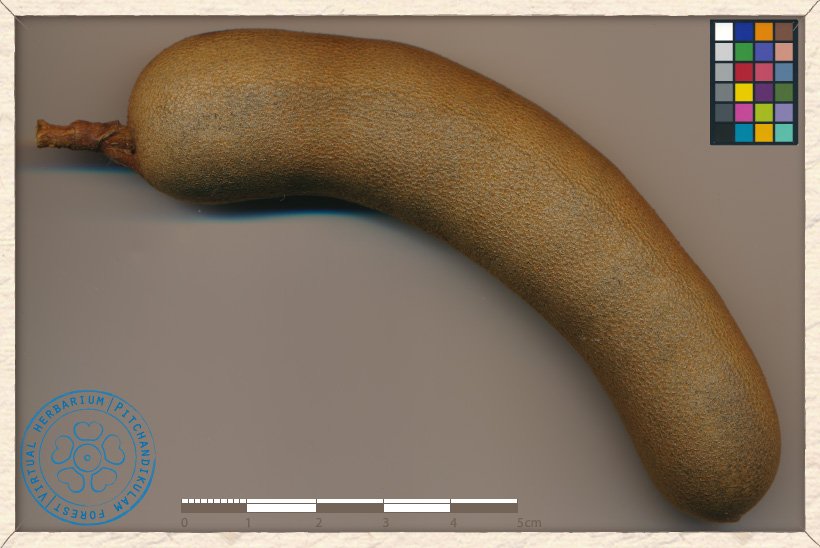
Tamarindus indica ripe pod
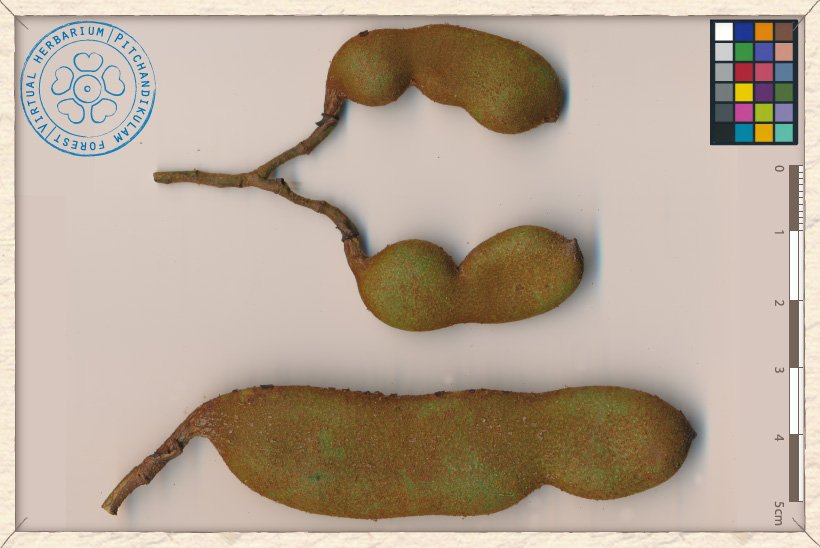
Tamarindus indica unripe pods
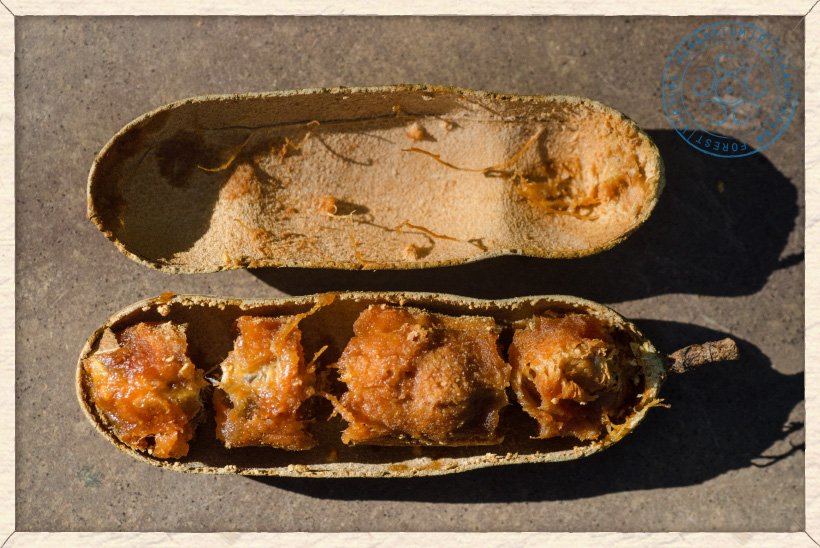
Tamarindus indica open ripe pod : epicarp (top) and mesocarp containing the seeds (bottom)
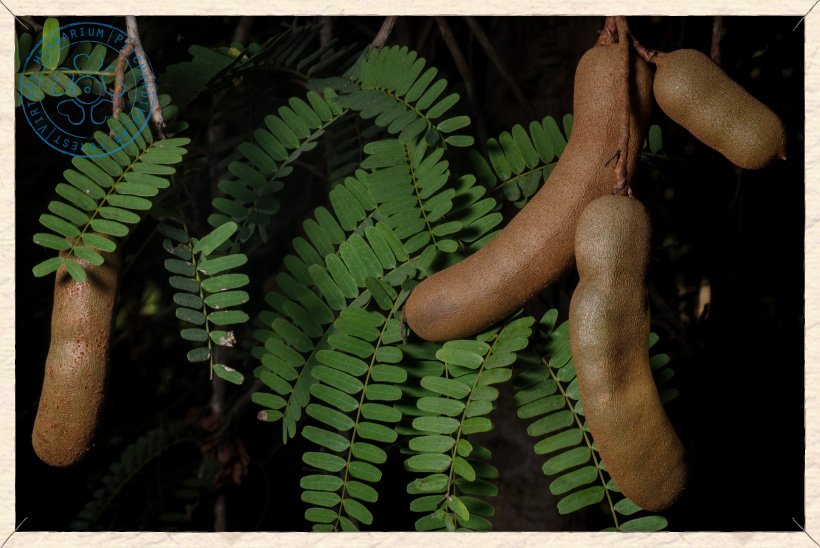
Tamarindus indica ripe fruits
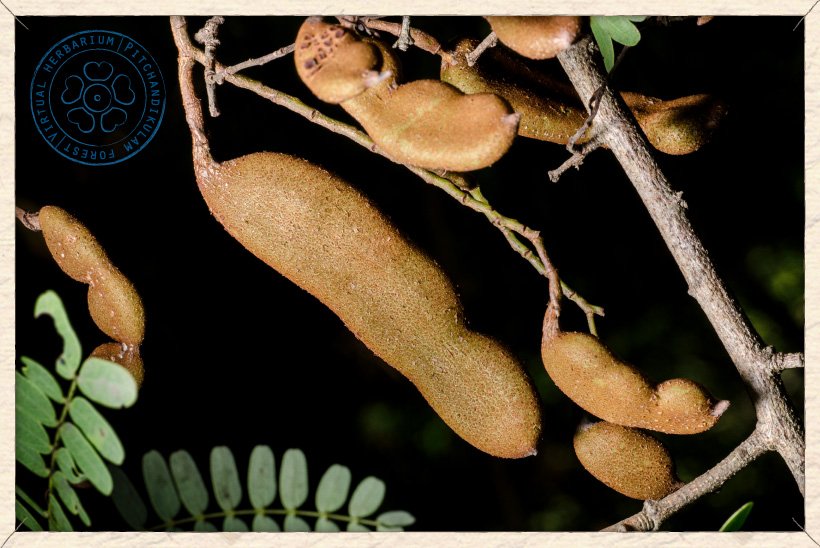
Tamarindus indica unripe fruits
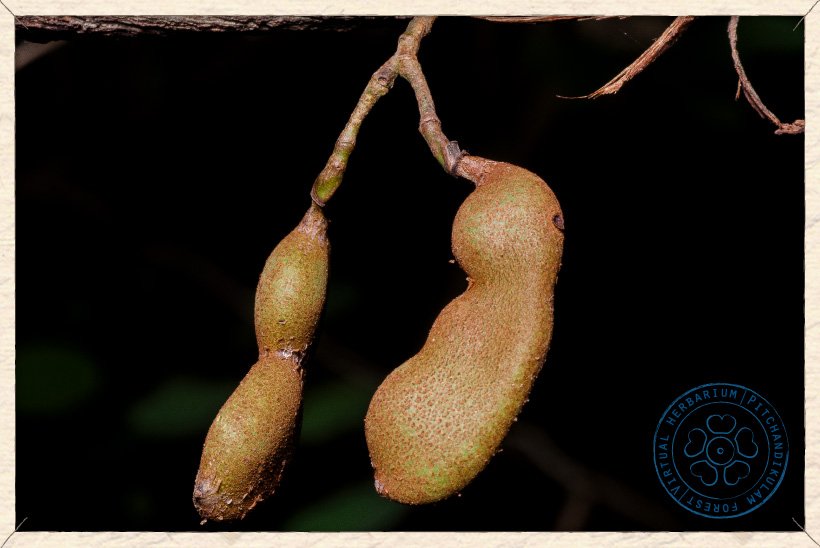
Tamarindus indica unripe pods
Seed
The seeds are brown, hard, shiny, smooth and 1 to 1.5 cm across.
They are ovate-oblong, compressed and truncate at both ends.
There are between 3 and 15 seeds in a pod.
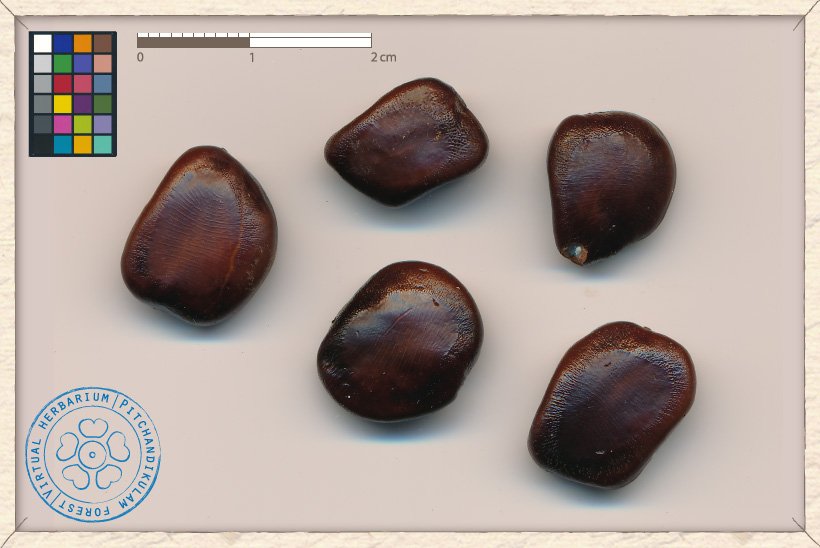
Tamarindus indica seeds
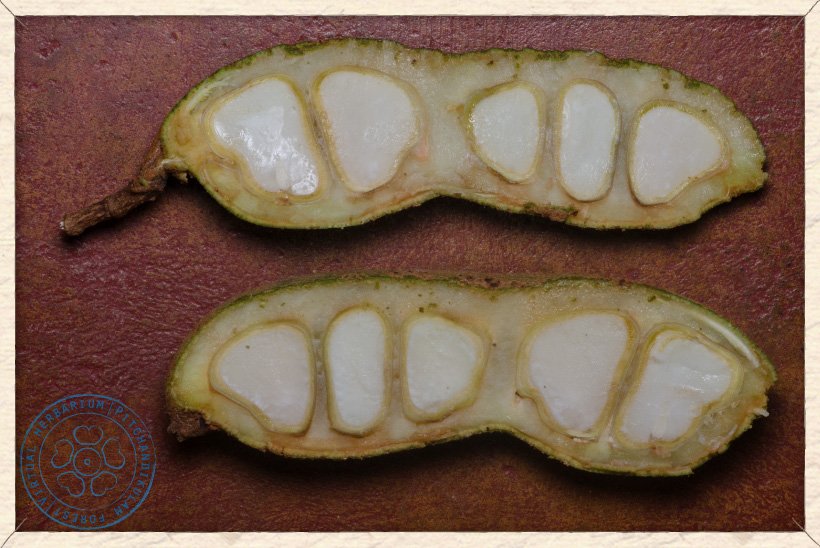
Tamarindus indica unripe fruit longitudinal section : immature seeds in the mesocarp
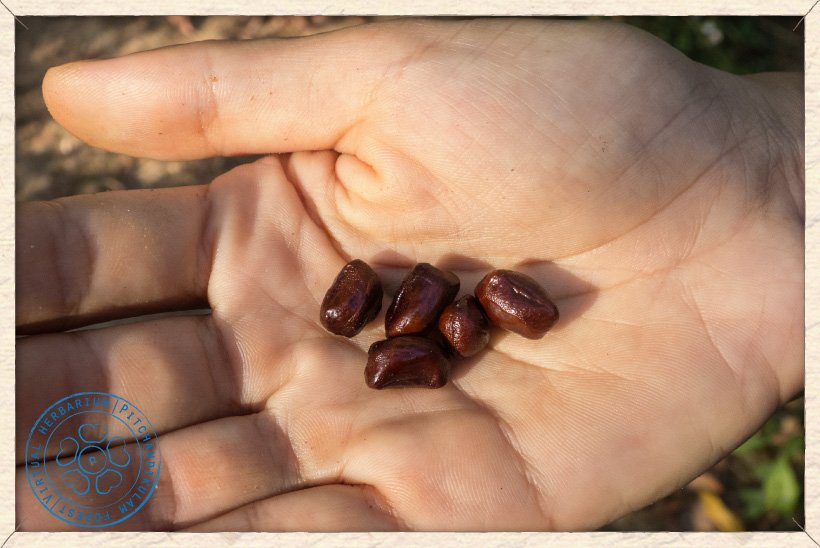
Tamarindus indica seeds
Human Uses
It is a good fuel wood (high calorific value) and gives an excellent charcoal.
The seeds are used in the textile and jute industries for sizing, and as filler for adhesives in plywood industries.
The leaf is a good fodder for cattle. The leaves are very high in crude protein and are relished by wild animals. Leaves, however, are rarely used for this purpose on homesteads, as harvesting the leaves can reduce fruit production.
The tamarind wood is extremely hard, heavy, tough, durable and resistant to insect attacks. It is used for rice-pounders, oil and sugar mills, tools, turnery articles, mortars and pestles, agricultural implements, side planks of boats, cart wheels, shafts, axles and naves, well construction.
Tamarind wood is a bold red color. Due to its density and durability, tamarind heartwood can be used in making furniture and wood flooring.
The leaves yield a fixed dye which colors wool in red.
The bark and wood ash is used as a tanning material in the preparation of hides.
Tamarind concentrate can be used to remove tarnish from brass, copper, silver and bronze.
The processed seed oil is used as a varnish for painting idols and images.
Fresh seeds are powdered, mixed with gum, and used as cementing material.
Sources :
- Dastur, 2006, Useful Plants of India and Pakistan
- El-Siddig, Gunasena, Prasad, Pushpakumara, Ramana, Vijayanand, Williams (2006) Tamarind, Tamarindus indica, Southampton Centre for Underutilised Crops, Southampton, UK
The fruit pulp is edible. The hard green pulp of a young fruit is considered by many to be too sour, but is often used as a component of savory dishes.
The ripened fruit is considered more palatable, as it becomes sweeter and less sour (acidic) as it matures. It is used in desserts as a jam, blended into juices or sweetened drinks, sorbets, ice creams and all manner of snacks.
In most parts of India, tamarind is used to flavour foods ranging from meals to snacks (bitter-sweet flavour). In regional cuisines it is used to make rasam, amtee, sambhar, vatha kuzhambu, puliyogare, chutneys and pickles. In Andhra Pradesh and Tamil Nadu, tender leaves of tamarind are used with lentils to make raw chutney. The immature pods and flowers are also pickled and used as a side dish.
The pulp contains non-starch polysaccharides, which contribute to its dietary fiber content. They bind with bile to help flush waste through the colon, decreasing the chances of it sticking around.
Each 100 grams of tamarind pulp contain 37% of the thiamin, 22% of the iron, 26% of magnesium, 16% of the phosphorus, 13% of potassium and 13% of niacin recommended for a day's worth of nutrition. (Agricultural Research Service United States Department of Agriculture, USDA Database)
Tamarind also contains high levels of tartaric acid providing a powerful antioxidant action.
The root bark is astringent, constipating, emmenagogue and tonic and is useful in diarrhea, asthma, amenorrhea, gingivitis and ulcers, it is also used for reducing fever and as an antiseptic.
The leaves are sour, astringent, anthelmintic, anti-inflammatory, antifungal, diuretic, febrifuge, aperient and ophthalmic. They are reported to be useful for swellings, fever, scalding of urine, gastropathy, helminthiasis, wounds, ulcers, jaundice, scabies, tumors, ringworm, boils, smallpox, otalgia and conjunctivitis.
The fruits are sour, sweet, refrigerant, digestive, carminative, laxative, antiscorbutic, antiseptic, ophthalmic and febrifuge. They are useful in gastropathy, bilious vomiting, Datura poisoning, alcoholic intoxication, scabies, pharyngitis, pharyngodynia, stomatitis, constipation, hemorrhoids and ophthalmopathy.
A hot poultice of the pulp is applied over inflammatory swellings. A paste of the pulp made with salt is used as a liniment to treat muscular and joint pain.
The seeds are astringent, cooling, aphrodisiac, stomachic, constipating and tonic. They are useful in stomachalgia, diarrhea, dysentery, burning sensation, hematuria, giddiness, vertigo, hepatopathy, inflammations, chronic ulcers, abscess, hemorrhoids, vaginopathy, metroptosis, diabetes and general debility.
Sources :
- Basu & Kirtikar, 1918, Indian Medicinal Plants
- Arya Vaidya Sala, 1996, Indian Medicinal plants
- FRLHT, 2000, Tropical Indian Medicinal Plants
- Dastur, 2006, Useful Plants of India and Pakistan
- El-Siddig, Gunasena, Prasad, Pushpakumara, Ramana, Vijayanand, Williams, 2006, Tamarindus indica, Southampton Centre for Underutilised Crops, Southampton, UK
- Rasa (taste) : Amla (sour), Madhura (sweet)
- Guna (quality) : Guru (heavy), Ruksha (dry)
- Veerya (potency) : Ushna (warming, stimulating)
- Vipaaka (post-digestive taste) : Amla (sour)
- Karma (action) : Tridoshanaashaka (reduces Vata-Pitta-Kapha), Deepana/Paachana (digestive), Shaitya (refrigerant), Anulomana (carminative, laxative), vermifugal
The leaves and crushed seeds are Shophaghna (reduce inflammations) and the leaf juice is used in bleeding piles.
- Digestive system : The ripe fruit is used in Aruchi (loss of appetite, anorexia), Trishaa (polydipsia - excessive thirst), Ajeerna (indigestion), Shoola (abdominal colic/pain), Krimi (intestinal worms), Vaata (flatulence) and Yakrit vikaara (liver disorders)
- Circulatory system : The syrup used in Hridayaroga (heart diseases)
- Urinary system : Kshaara (bark ashes) is used in Mootrakrichchhra (retention of urine)
- Temperature : The fruit pulp and syrup reduce complications in case of Jwara (fever, eg: nausea, vomiting) or Daaha (heat)
- Eyes : The flower pulp is used in conjunctivitis
Fruits, seeds, leaves, flowers
- On Dosha : The unripe fruit is vataghna (reduces Vata) but pittakaphavardhaka (increases Pitta-Kapha). The ripe fruit is tridoshanaashak (reduces Vata-Pitta-Kapha).
- On Dhatu : Rakta (reduces heat and burning sensation)
- On Mala : Mootra (urine)
- Organs : Liver, heart
- Vaidya V.M. Gogte, 2000, Ayurvedic Pharmacology and Therapeutic Uses of Medicinal Plants (Dravyagunavignyan). Bharatiya Vidya Bhavan
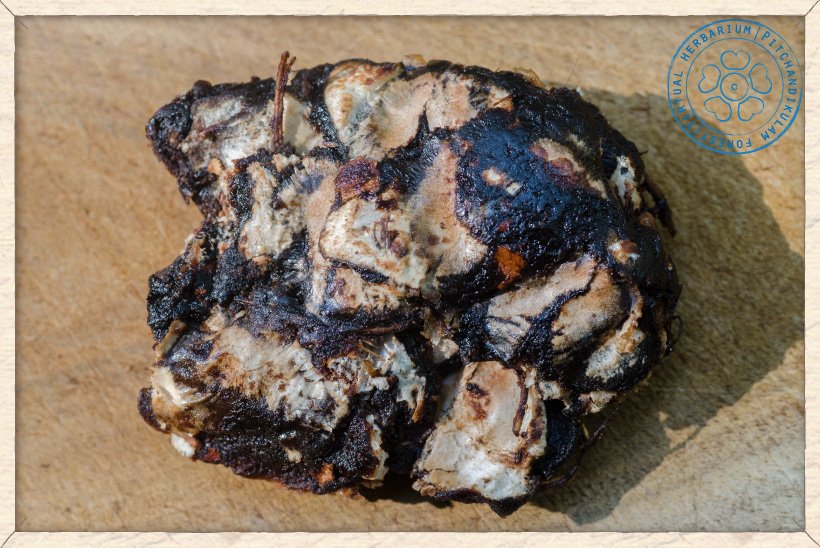
Tamarindus indica paste
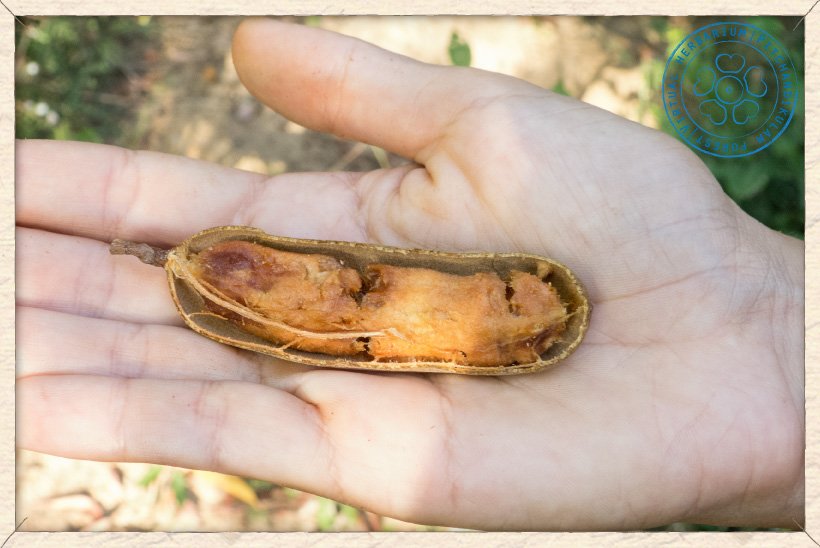
Tamarindus indica pulp in its pod
Ecology
Tamarindus indica tolerates drought and almost any soil.
In south India, it is found from the coastal plains up to elevations of between 1500 and 2000 m. Dry weather is important during the period of fruit development.
Tamarindus indica can tolerate between 5-6 months of drought conditions, but does not bear fire, frost or water-logging.
Tamarindus indica is not found in the shade of closed canopies and belongs to the tree-savannah stage of the succession.
Distribution
Tamarindus indica is thought to be native to Eastern Africa and Madagascar.
This tree is cultivated in almost all tropical regions and was introduced in India in very ancient times.
The tree is extensively planted into India on roadsides for its shade, beauty, fodder and fruit, on tank bunds, agricultural boundaries and around villages.
Self-sown trees are common in areas of half-shade not subjected to grazing and fire.
It was introduced into India so long ago that it has often been reported as indigenous here. The species name indica also gives the misleading impression that it originated in India.
Source
Information on this page is sourced from: