Spondias pinnata
Anacardiaceae
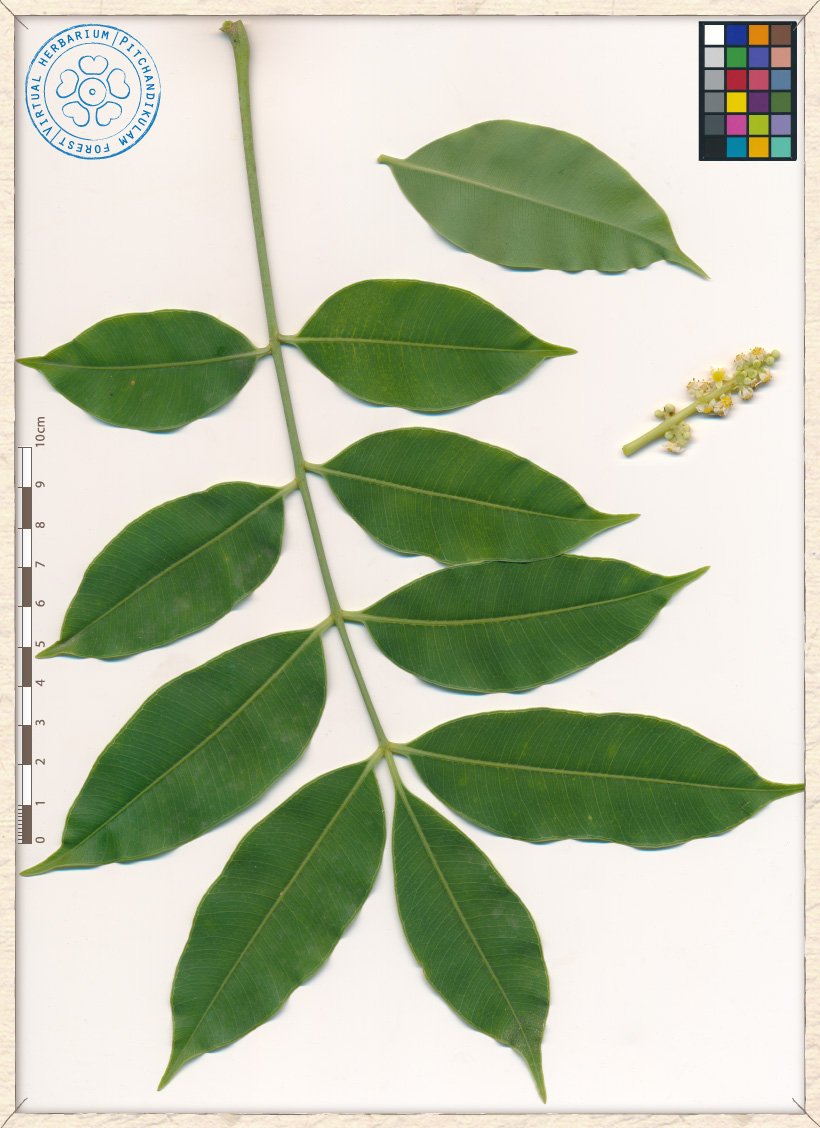
Main specimen
Stem Bark
The bark of Spondias pinnata is light-brown or greyish-coloured. It is smooth and becomes deeply cracked on old individuals.
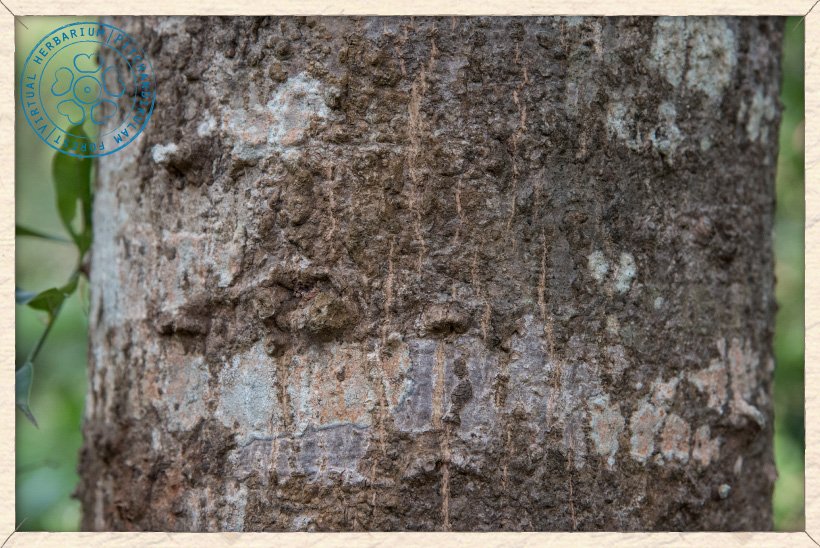
Spondias pinnata trunk
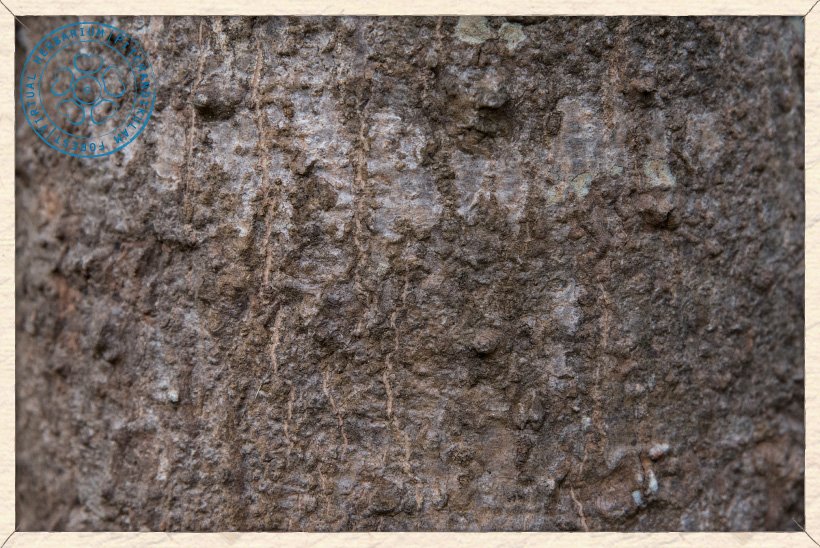
Spondias pinnata bark
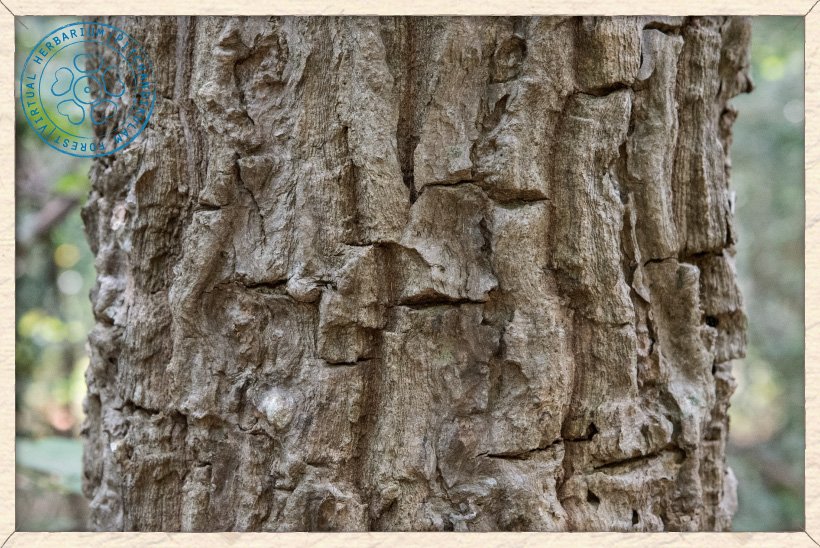
Spondias pinnata old trunk
Fruit
Seed
The seed of Spondias pinnata is enclosed in a big stone. The stone is ellipsoid, 3-3.5 cm long and 2 mm wide.
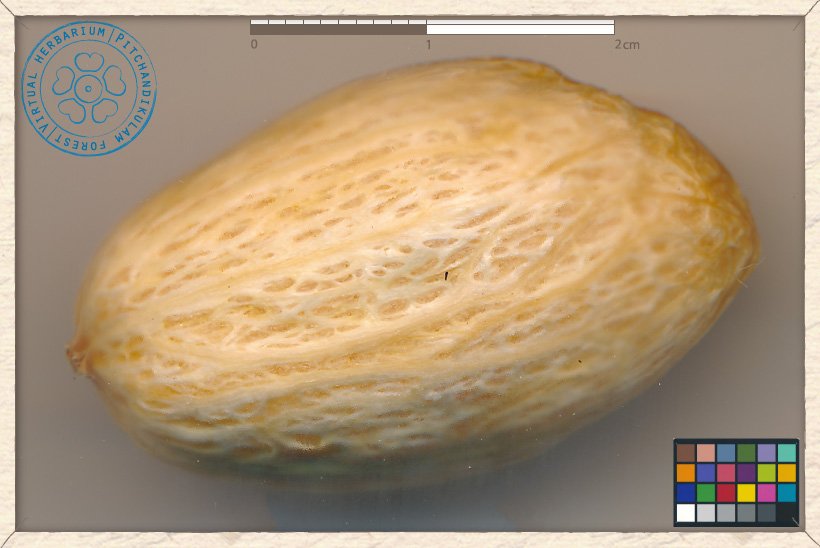
Spondias pinnata stone
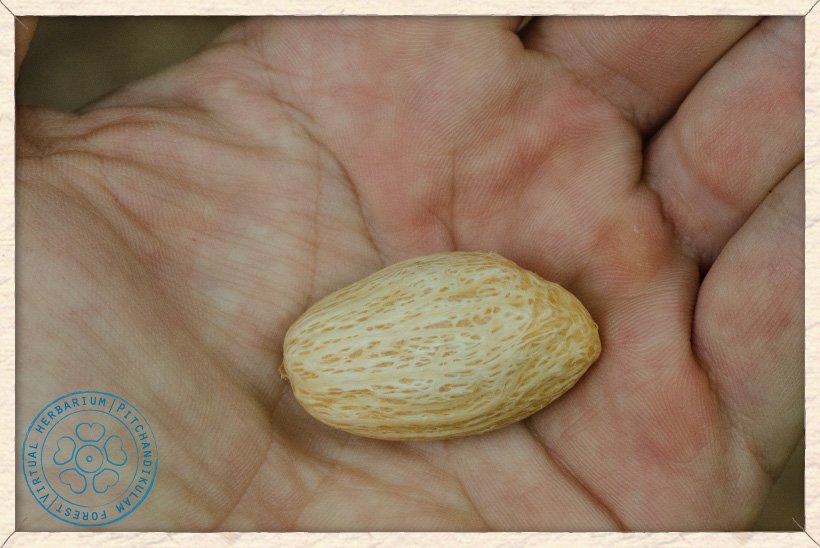
Spondias pinnata stone
Human Uses
The raw or cooked fruit of Spondias pinnata is edible. It can be eaten as a vegetable or made into chutneys, stews, pickles and jams.
Source : Plant Resources of Southeast Asia, http://proseanet.org
Spondias pinnata is used in Ayurveda, Unani and Siddha medicines.
The bark of Spondias pinnata is used in dysentery, diarrhea, biliousness, menstrual disorders, arthritis, tuberculosis, for rubbing on the skin over painful joints.
The bark paste is used for stomach and body pain.
The bark paste is applied externally to articular and muscular rheumatism.
The bark juice is taken for diarrhea and dysentery and also applied on ringworm and skin diseases.
The leaves juice is dropped in the ear in earache.
The fruit is used as an astringent, blood purifier, antiscorbutic and against dyspepsia.
The fruit juice is applied or dropped against earache and also taken to stop blood dysentery.
The root is used for regulating menstruation.
Sources :
- Khare, 2007, Indian Medicinal Plants, An Illustrated Dictionary
- Quattrocchi, 2012, CRC World Dictionary of Medicinal and Poisonous Plants
Ecology
Spondias pinnata is found in dry to moist deciduous forests from the coastal plains up to 1000 m of elevation.
Distribution
Tropical areas of Africa, Asia and Oceania (excluding Australia and New Zealand)
Source
Information on this page is sourced from: