Lannea coromandelica
No common name set
EditAnacardiaceae

Main specimen
Habit
Lannea coromandelica is a thornless, medium-sized and deciduous tree growing up to 15-20 m high.
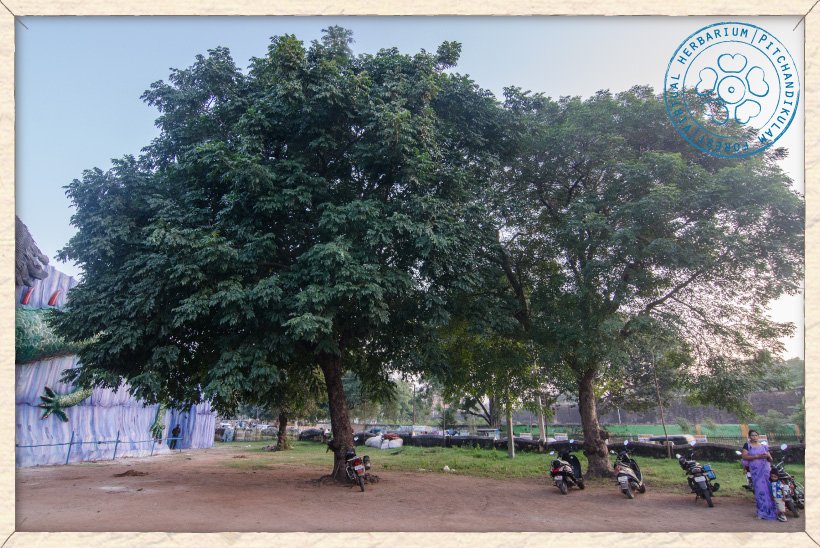
Lannea coromandelica trees
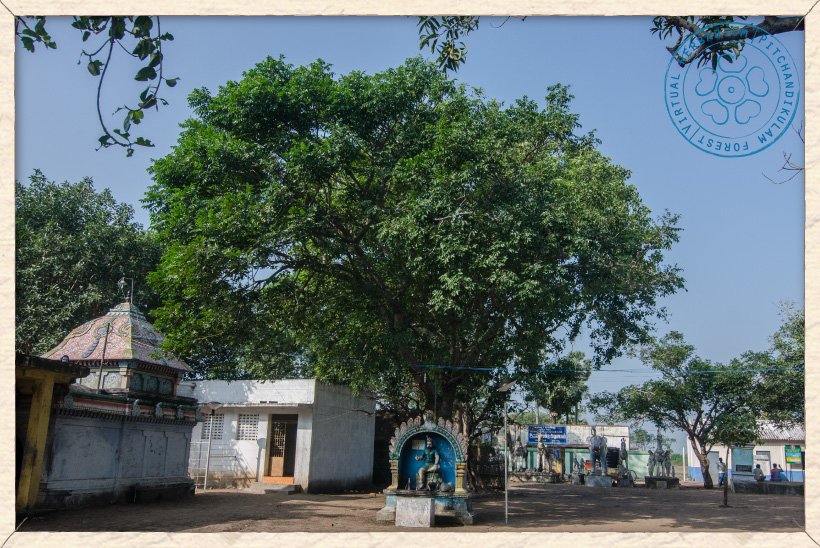
Lannea coromandelica tree
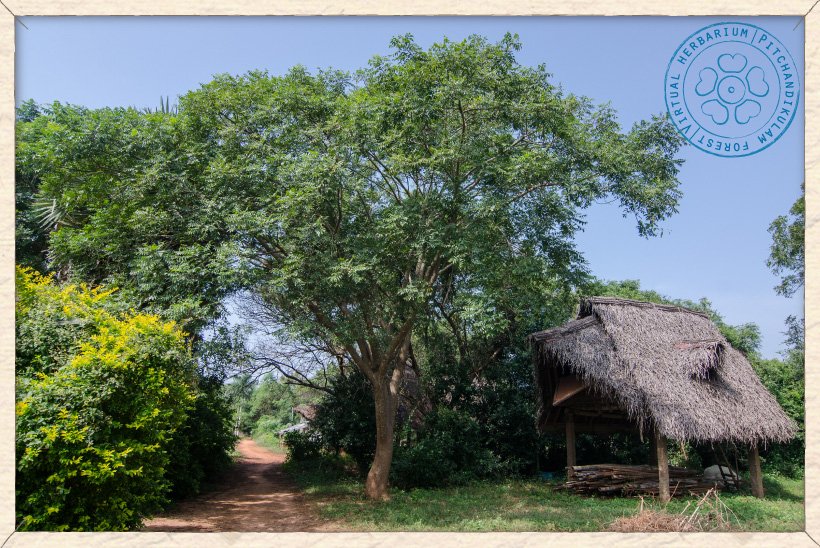
Lannea coromandelica tree
Stem Bark
The bark of Lannea coromandelica is greyish-coloured, thick and it flakes off in irregular plates on old trees.
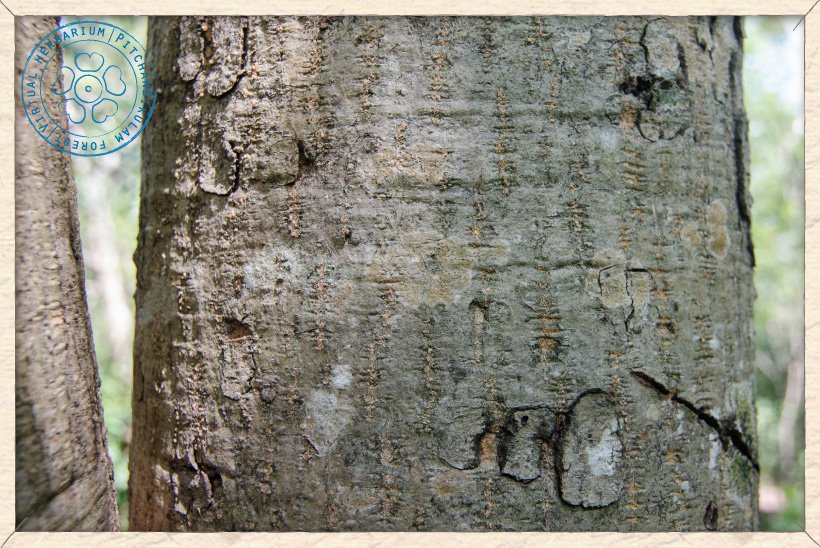
Lannea coromandelica trunk
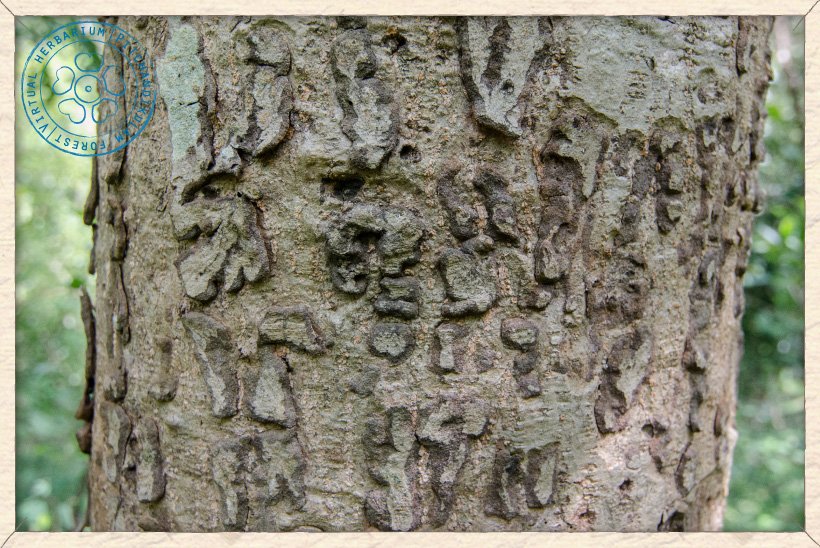
Lannea coromandelica trunk (old tree)
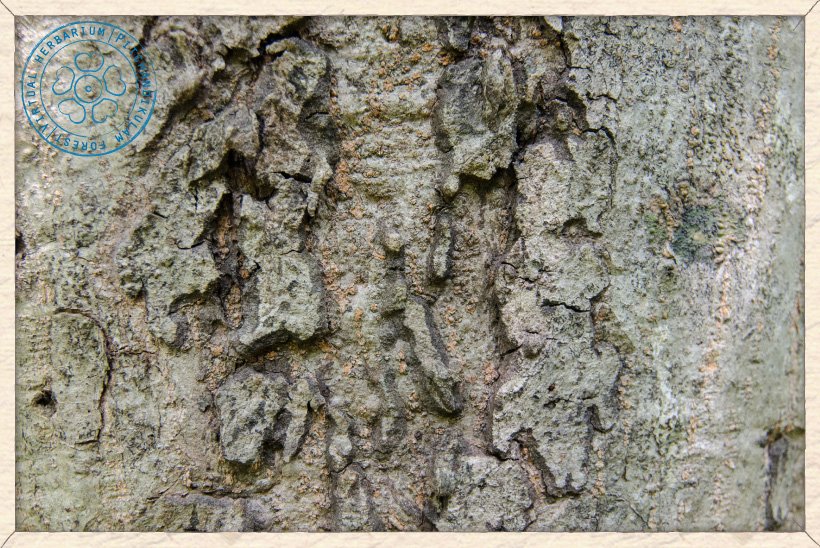
Lannea coromandelica bark
Leaf
The leaves of Lannea coromandelica grow alternately on the stem.
The leaf is compound, imparipinnate with a 8-10 cm long petiole.
The leaflets are bright green-coloured above and paler beneath. The leaflets are coriaceous and glabrous on both sides.
The leaflets have a very short petiolule (except the terminal one).
The leaflet of Lannea coromandelica is 9-10 cm long and 3 cm wide. The shape of the blade is ovate-lanceolate, the apex is acuminate, the base is obliquely rounded and the margins are entire.
The venation of the leaf is reticulate with a prominent midrib.
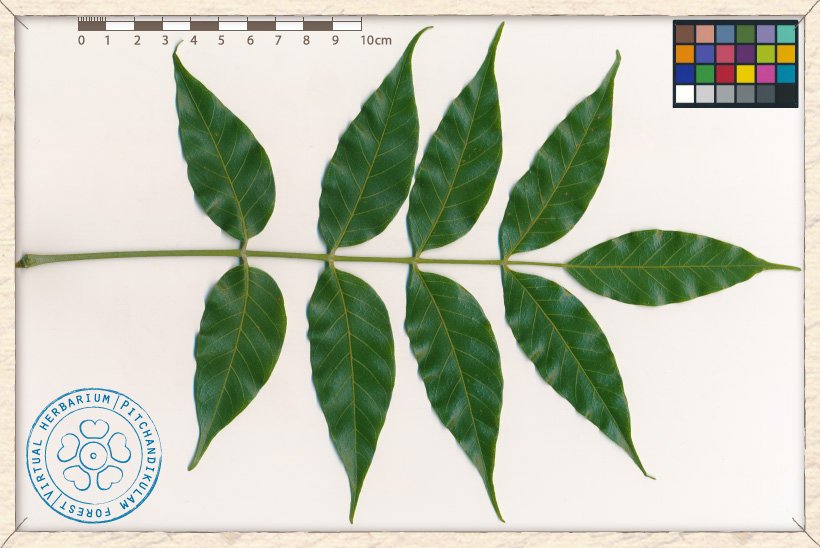
Lannea coromandelica leaf (upper side)
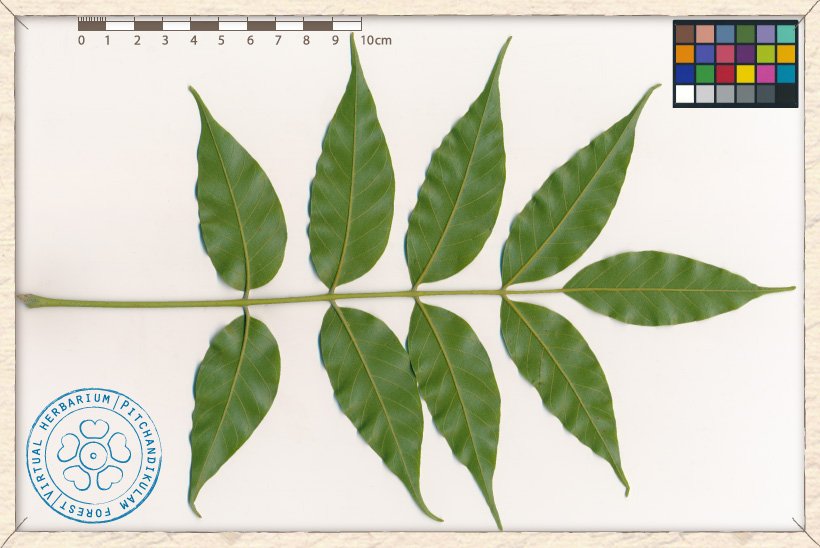
Lannea coromandelica leaf (lower side)
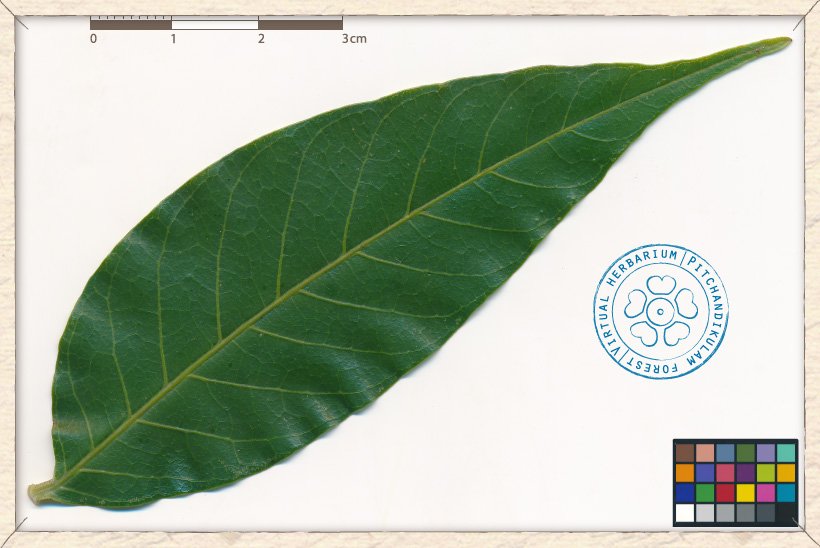
Lannea coromandelica leaflet (upper side)
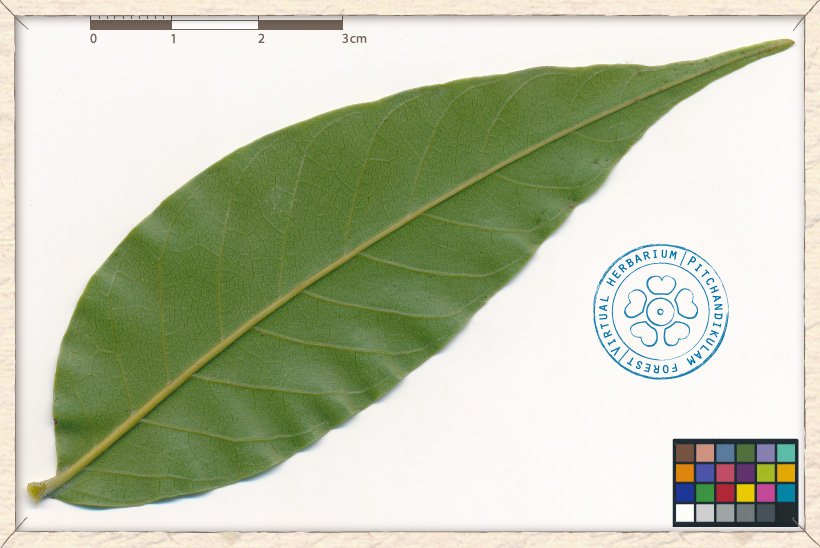
Lannea coromandelica leaflet (lower side)
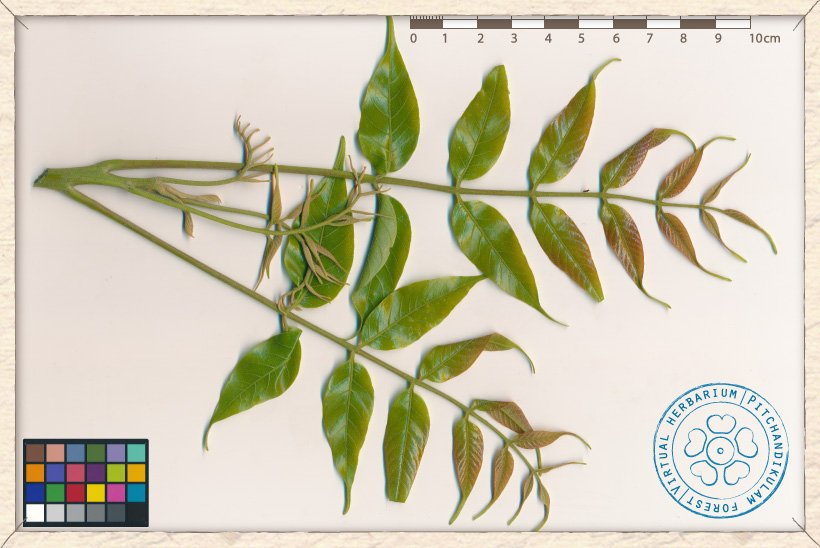
Lannea coromandelica shoot
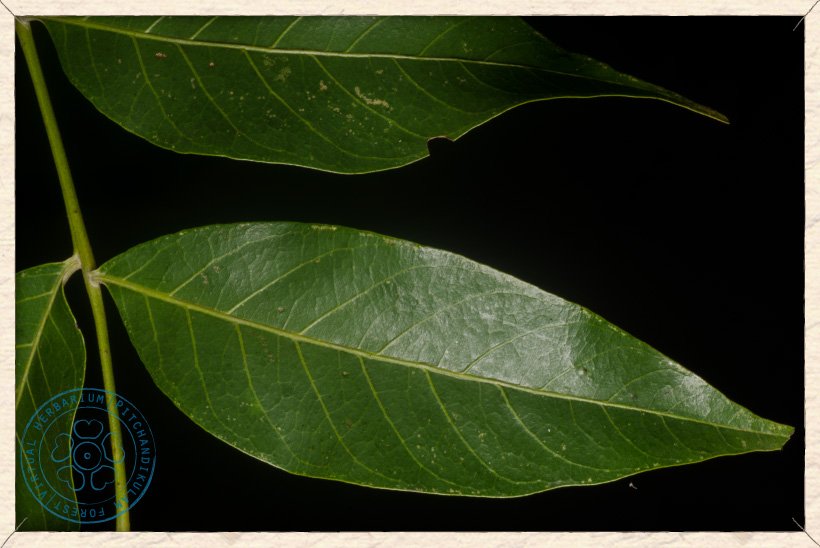
Lannea coromandelica leaflets (upper side)
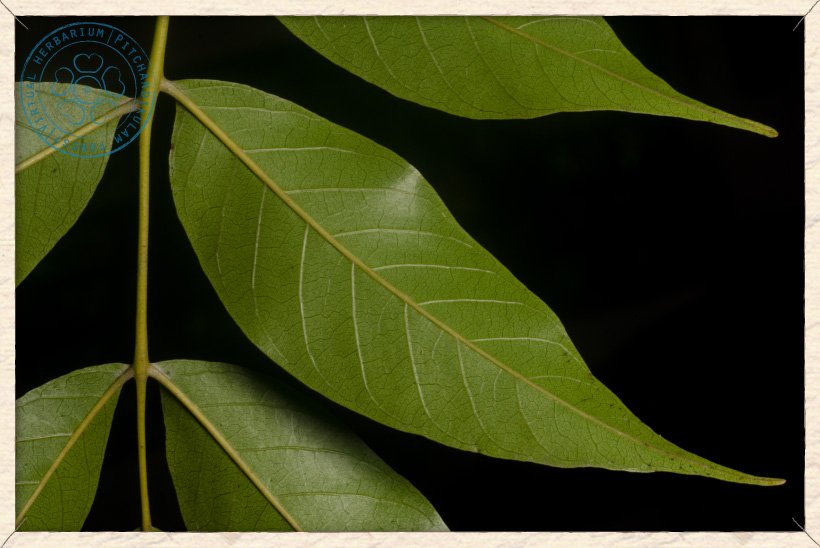
Lannea coromandelica leaflets (lower side)
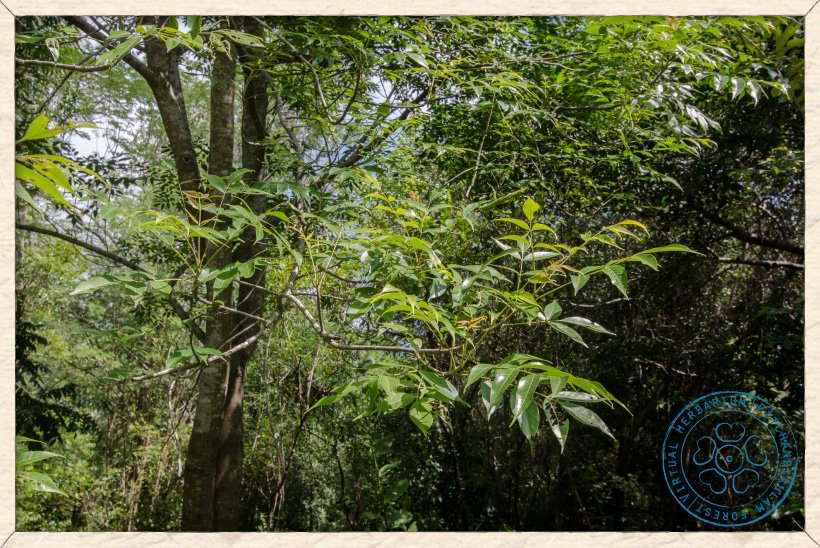
Lannea coromandelica foliage
Flower
The flowers of Lannea coromandelica are unisexual.
The male flowers are yellowish-green-coloured and grouped in compound racemes. The calyx is composed of 4 ovates and imbricate lobes.
The corolla is composed of 4 lanceolate and reflexed petals. The petals are obovate and recurved, 7-8 mm long and 3-4 mm wide.
The androecium is composed of 8 stamens inserted below the disc. The filaments are unequal.
The male flower have an abortive ovary.
The female flowers have very short and sterile stamens.
The pistil is composed of 4 styles and a superior ovary.
The flowers are fragrant.
Fruit
The fruit of Lannea coromandelica is an ellipsoid (olive-shaped) drupe. It is about 1 cm long and reddish-coloured when ripe. The fruit contains one stone.
Seed
Human Uses
The crushed bark is used as a bandage on wounds and cuts.
Source : Quattrocchi, 2012, CRC World Dictionary of Medicinal and Poisonous Plants
The wood of Lannea coromandelica is resistent to termites and it is used for house building, furniture, rice pounders, for carving and turnery...
A resin called jhingam gum is obtained from the stems and it is used for calico printing, as a size for paper. It is also used as a flocculating agent for the clarification of sugar-cane juice.
The bark contains tannins so it is used for tanning, as a dye and to preserve fishing nets.
Sources :
- Dastur, 2006, Useful Plants of India and Pakistan
- Useful Tropical Plants Database, Ken Fern, 2014, http://tropical.theferns.info
The young leaves and sprouts of Lannea coromandelica are eaten as a vegetable.
Source : Useful Tropical Plants Database, Ken Fern, 2014, http://tropical.theferns.info
Distribution
Lannea coromandelica is found in deciduous forests from the coastal plains up to 1800 m on the hill slopes.
Indo-Malesia biogeographical region and China
Source
Information on this page is sourced from: