Capparis brevispina
No common name set
EditCapparaceae
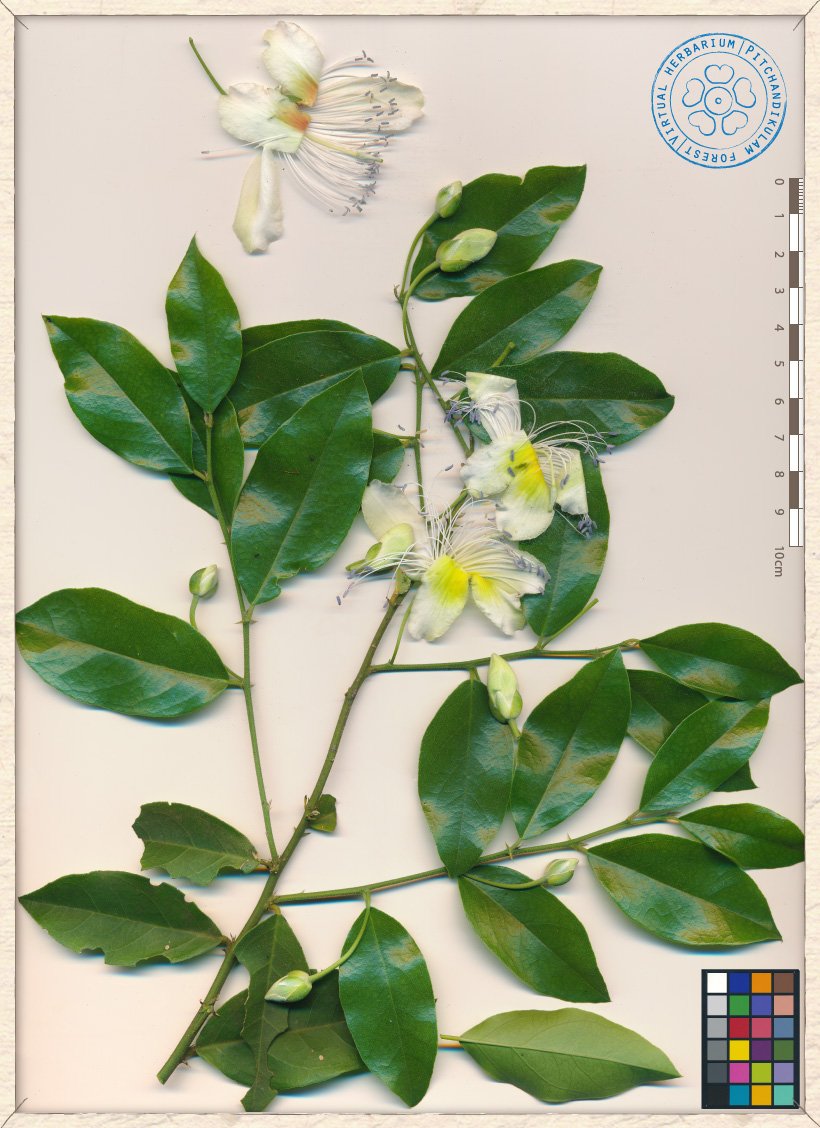
Main specimen
Habit
Capparis brevispina is a large, straggling and deciduous climbing shrub. It is armed with thorny stipules.
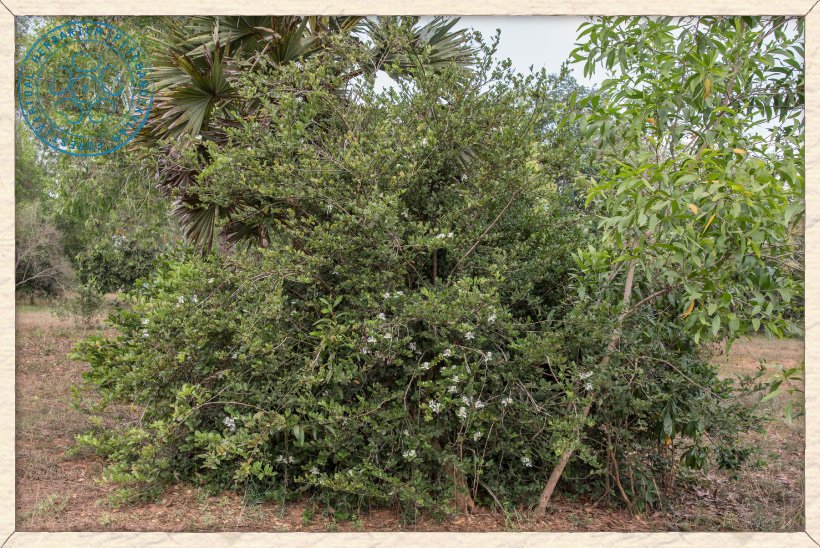
Capparis brevispina shrub
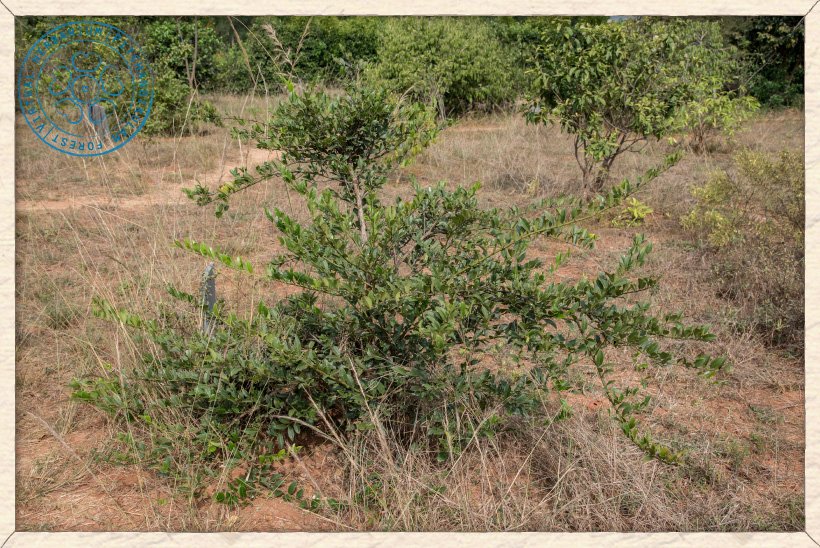
Capparis brevispina young shrub
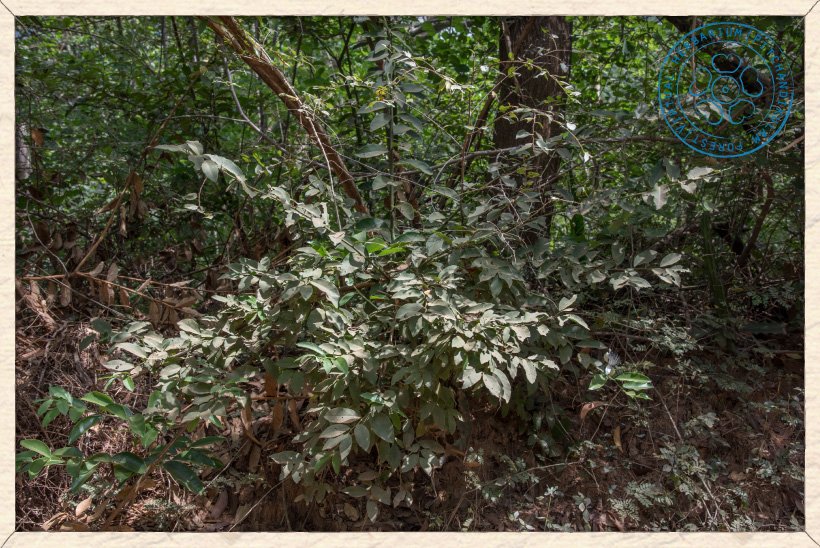
Capparis brevispina young shrub
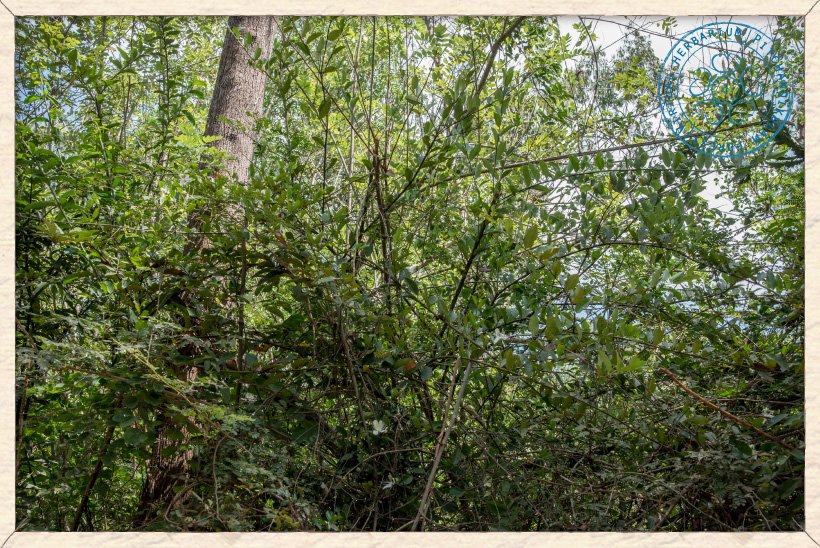
Capparis brevispina climbing branches
Stem Bark
The bark of Capparis brevispina is smooth, light-brown coloured and longitudinally fissured on old branches.
The young branchlets are green in colour.
The stems and branches show straight stipular spines, sometime in pairs at the lefa base.

Capparis brevispina stems

Capparis brevispina stem

Capparis brevispina stipular spines
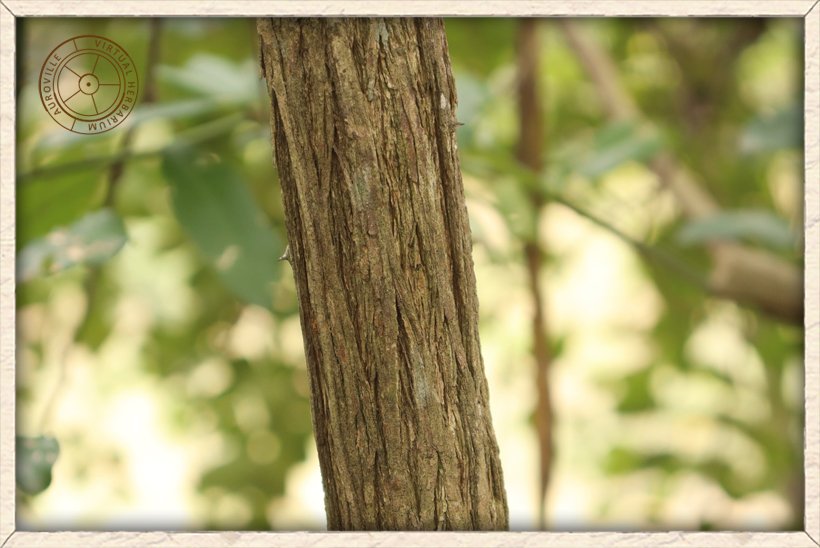
Capparis brevispina small stem with singular straight spines
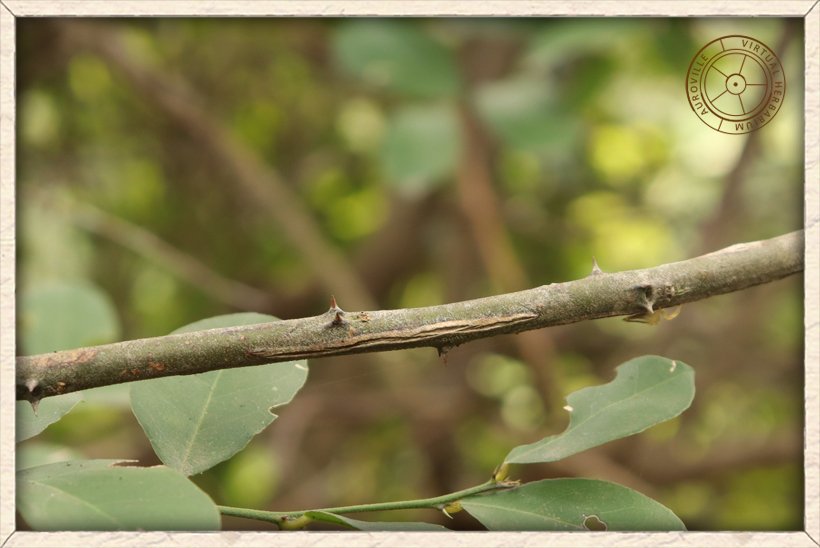
Capparis brevispina branchlet with pairs of spines

Capparis brevispina green branchlet when young
Leaf
The leaves of Capparis brevispina grow alternately on the stem (spirally arranged).
The leaf is simple, bright green-coloured above and paler beneath. The leaf is coriaceous, chartaceous and glabrous on both sides.
The leaves have a 4-5 mm long petiole.
The leaf of Capparis brevispina is 6-8 cm long and 2-3 cm wide. The shape of the blade is elliptic or ovate, the apex is acute-acuminate, the base is cuneate and the margins are entire.
The venation of the leaf is reticulate with a prominent midrib.
There is a pair of straight stipular spines at the base of the leaves and singular spines along the branch.

Capparis brevispina branchlet
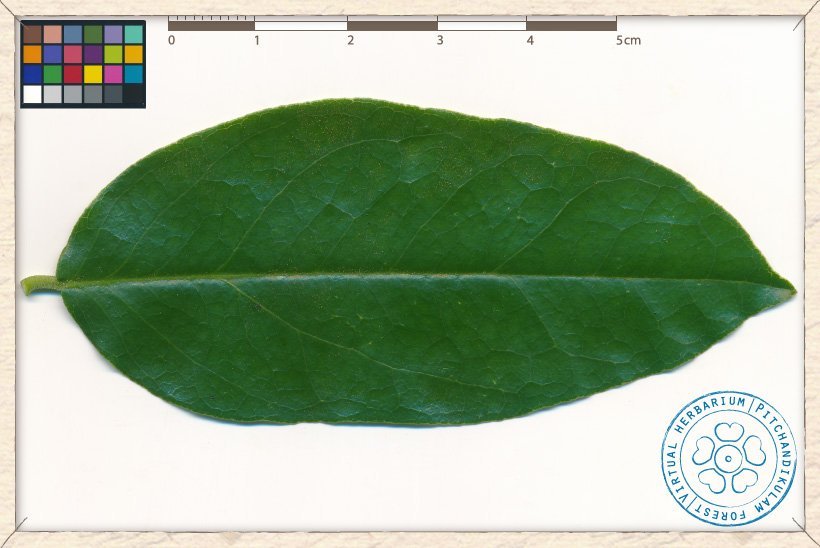
Capparis brevispina leaf (upper side)
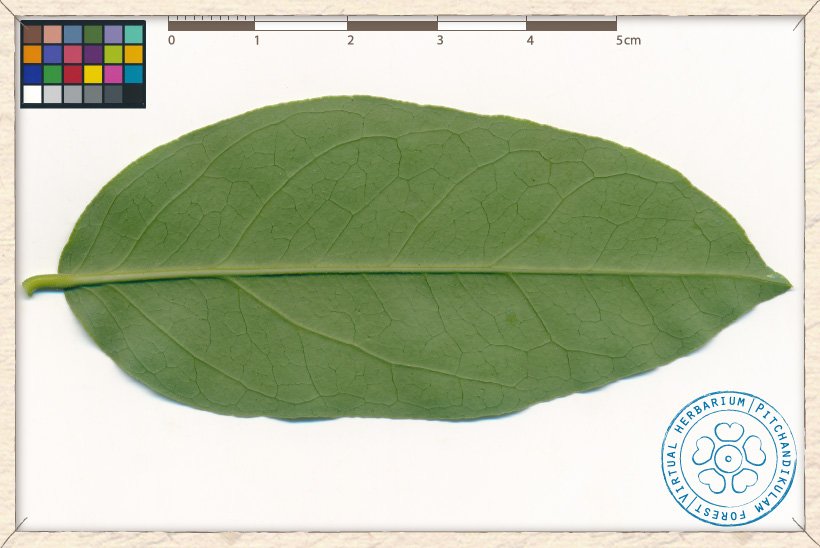
Capparis brevispina leaf (lower side)
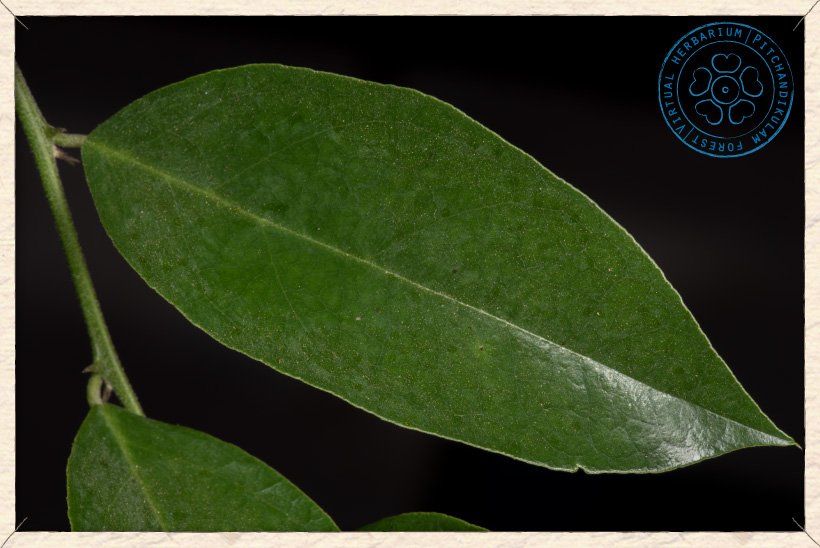
Capparis brevispina leaf (upper side)

Capparis brevispina leaf (lower side)

Capparis brevispina branchlet
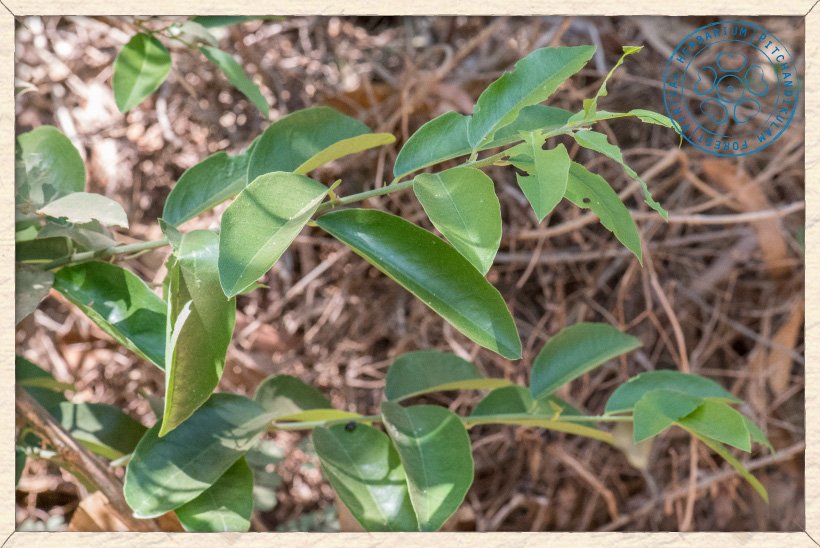
Capparis brevispina new leaves

Capparis brevispina (flowering) branches

Capparis brevispina pair of straight stipular spines at leaf base
Flower
The flowers of Capparis brevispina are axillary and solitary. The peduncle is 3 cm long and slightly pubescent.
The calyx is composed of 4 sepals. The sepals are pubescent, ovate, concave and 8 mm long and 4 mm wide.
The corolla is composed of 4 cream-coloured petals. The petals are ovate-oblong, 2.5-3 cm long and about 1 cm wide. The 2 upper petals have a showy yellow (turning red) blotch at the base.
The androecium is composed of numerous and showy stamens. The filaments are filiform, 2.5 cm long. The anthers are light-blue, oblong and 2 mm long.
The pistil is composed of a filiform and 3 cm long gynophore bearing a 6 mm long ovary and a short and stout style with a simple stigma at the tip.
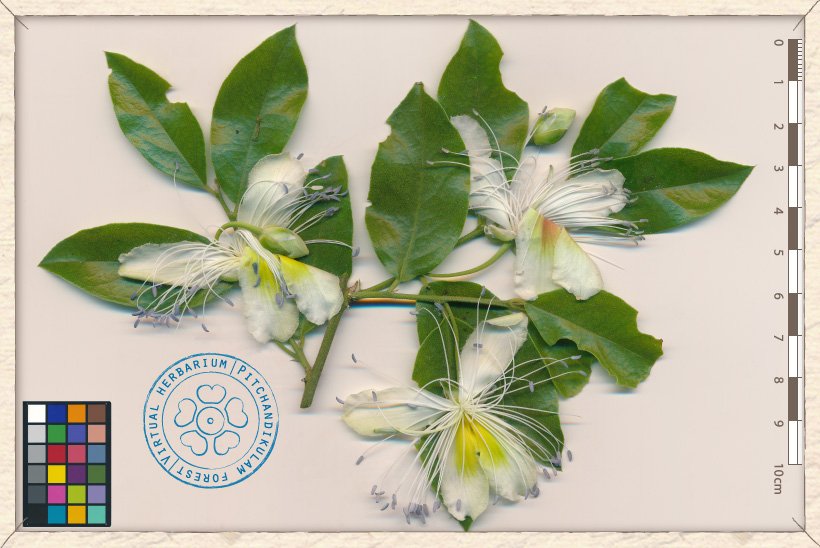
Capparis brevispina flowering branchlet

Capparis brevispina flower (upper side)
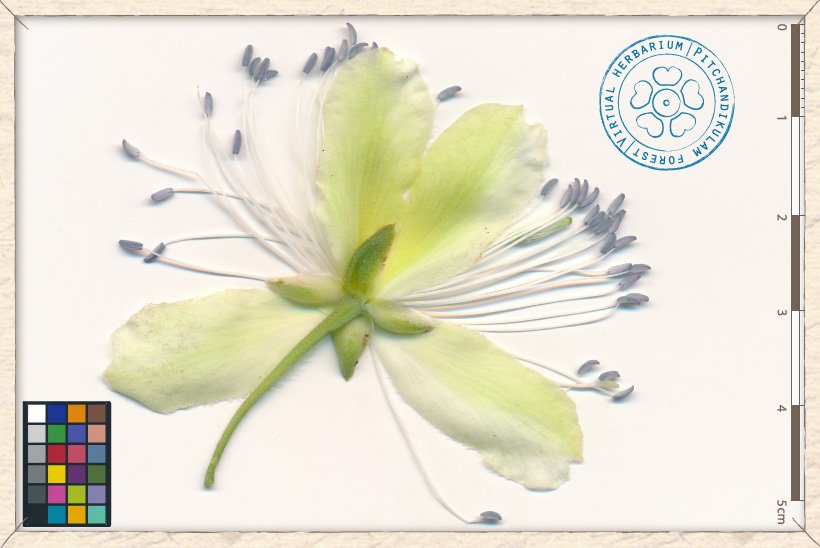
Capparis brevispina flower (lower side)
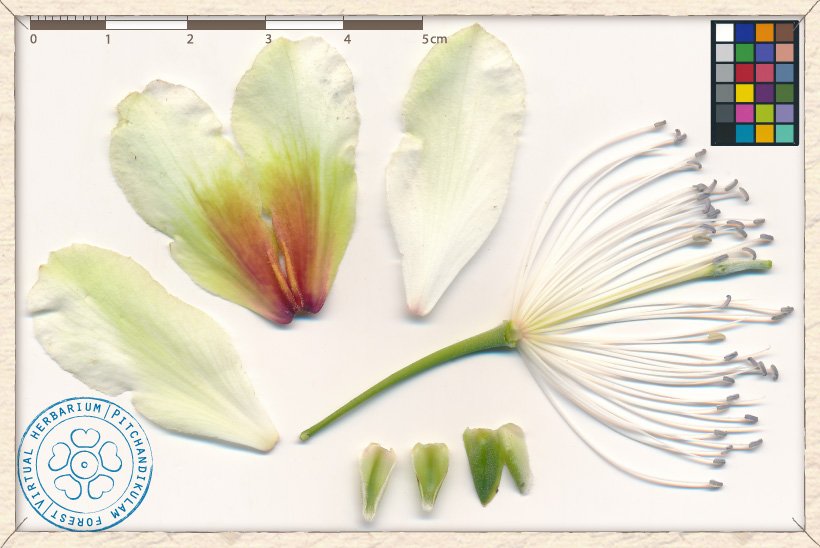
Capparis brevispina flower structures

Capparis brevispina flower buds
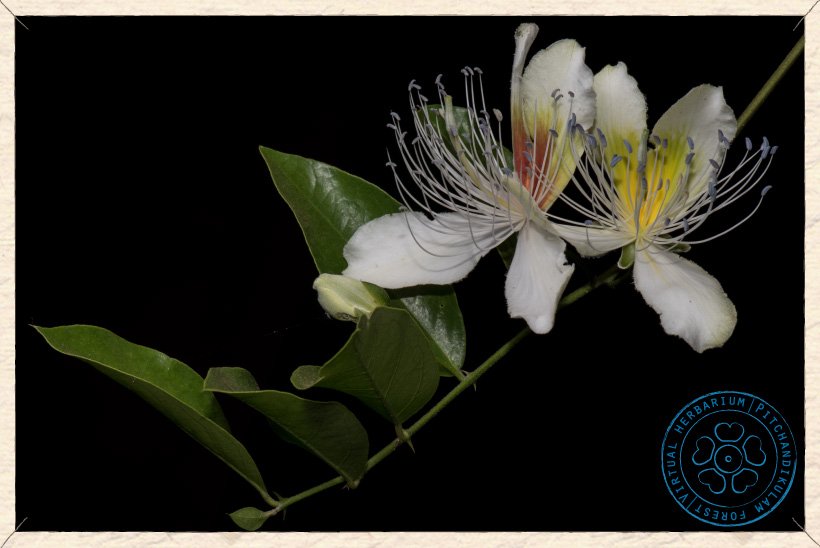
Capparis brevispina flowers
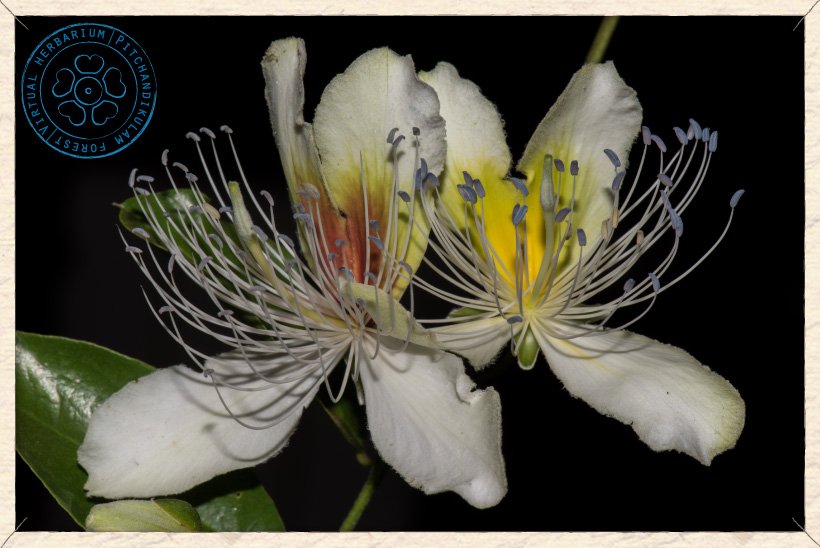
Capparis brevispina flowers
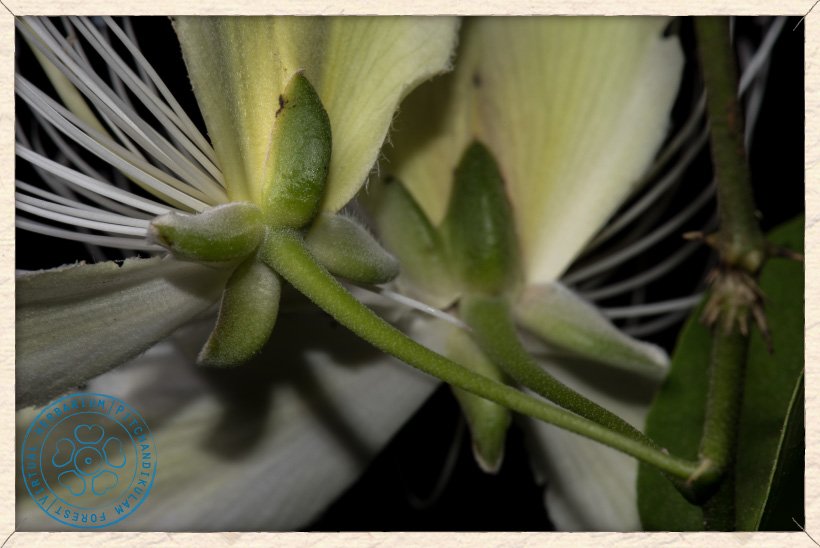
Capparis brevispina flower (lower side)
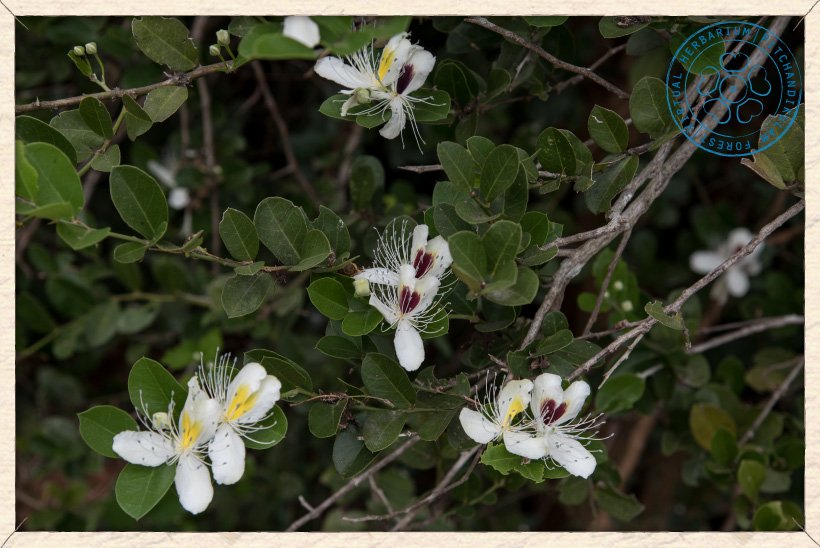
Capparis brevispina flowers
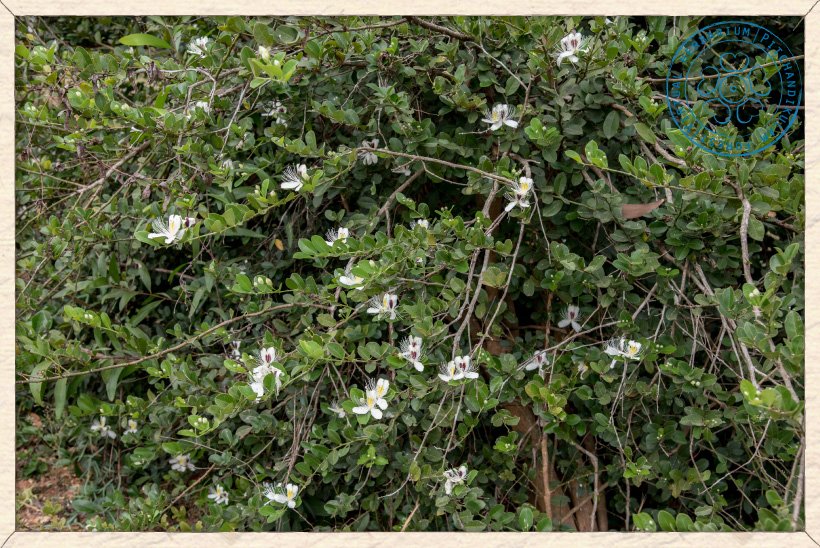
Capparis brevispina in bloom
Fruit
The fruit of Capparis brevispina is a smooth berry.
It is oblong in shape, about 6 cm long and 3 cm wide.
The fruit is green turning red when ripe.

Capparis brevispina ripe red fruit

Capparis brevispina ripe fruit cut in half showing the seeds embedded in the flesh

Capparis brevispina unripe fruit on the shrub

Capparis brevispina green fruit

Capparis brevispina green fruit
Seed
The seeds of Capparis brevispina are immersed in the white creamy pulp of the red ripe berry.
The seeds are less than 0.5 cm in size and numerous inside each fruit.
They are coated with opaque-transparent sticky jelly.
They are brown in colour when washed and dry.

Capparis brevispina fleshy fruit cut in half to show the seeds inside

Capparis brevispina seeds after drying

Capparis brevispina seeds covered in sticky white transparent coat
Human Uses
The fruit pickle of Capparis brevispina is used to cure digestive complaints. (Source : http://www.plantekey.com/)
Ecology
Capparis brevispina is found in dry deciduous forests and scrub jungles on dry and rocky ground, from the coastal plains up to 1000 m on the hills.
Distribution
Peninsular India and Sri Lanka
Source
Information on this page is sourced from: