Hardwickia binata
No common name set
EditFabaceae

Main specimen
Habit
Hardwickia binata is a medium-sized and deciduous tree growing up to 20 m high.
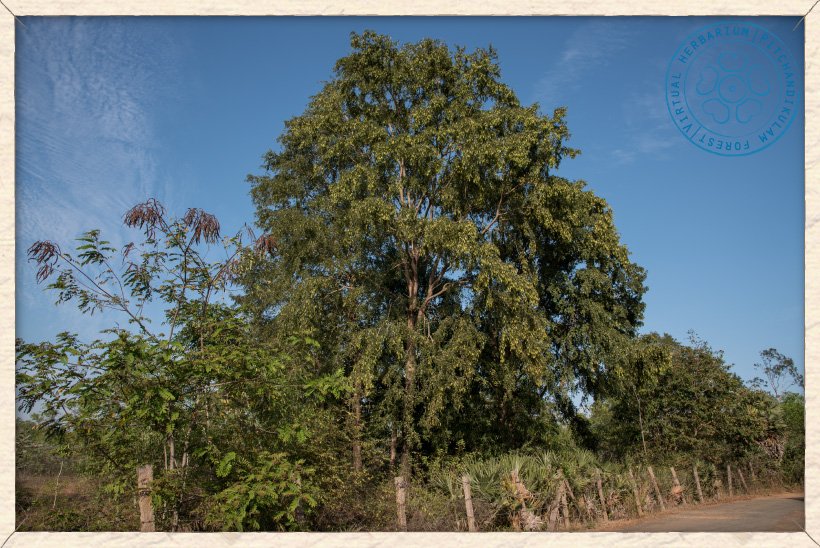
Hardwickia binata tree
Stem Bark
The bark of Hardwickia binata is grey brownish-coloured, rough, longitudinally fissured and transversally cracked.
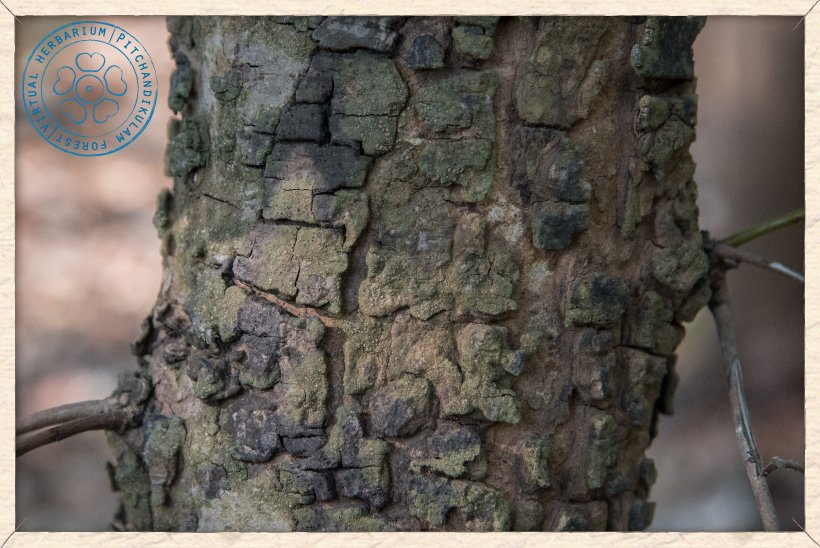
Hardwickia binata trunk
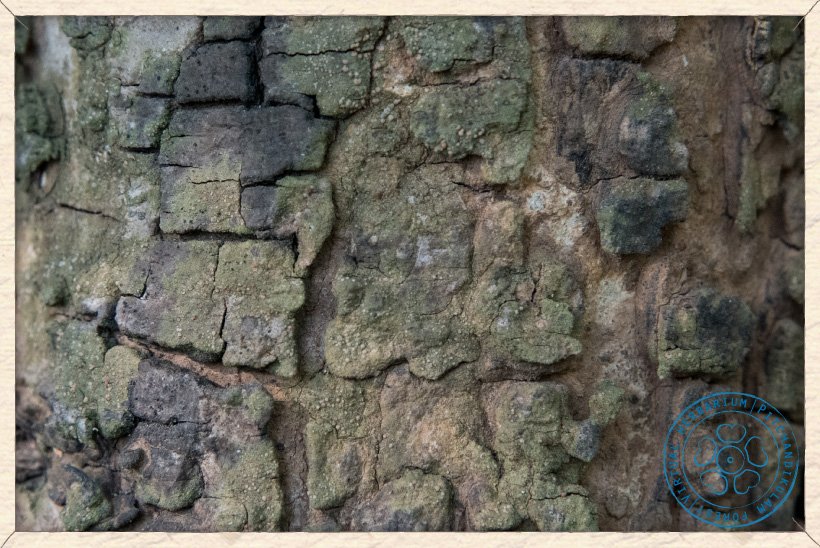
Hardwickia binata bark
Leaf
The leaves of Hardwickia binata grow alternately on the stem (spirally arranged).
The leaf is compound, bifoliate with a 1.5-2 cm petiole.
The leaflets are coriaceous and glabrous on both sides (some minute hairs on the margins and on the midrib beneath).
The leaflets are sessile.
The leaflet of Hardwickia binata is 4-7 cm long and 2.5-4 cm wide. The shape of the blade is ovate-elliptic, the apex is obtuse, the base is obliquely rounded and the margins are entire.
The venation of the leaflets is reticulate.
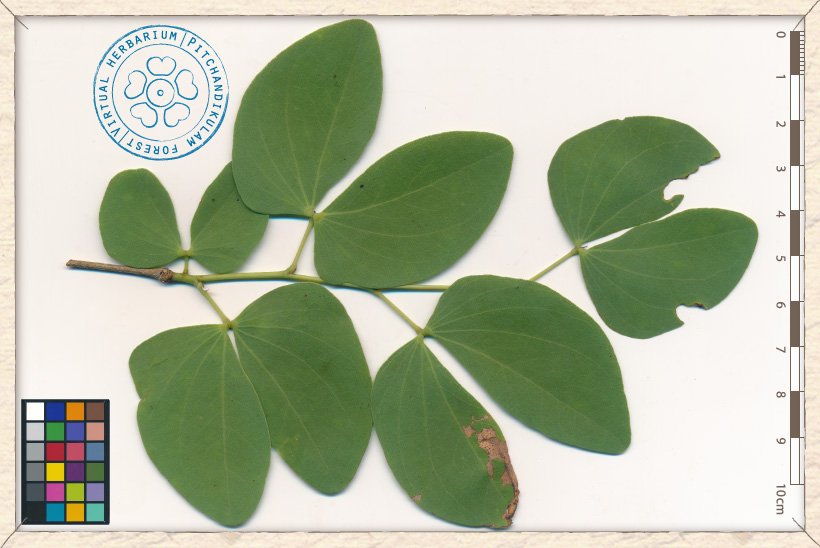
Hardwickia binata branchlet

Hardwickia binata leaves
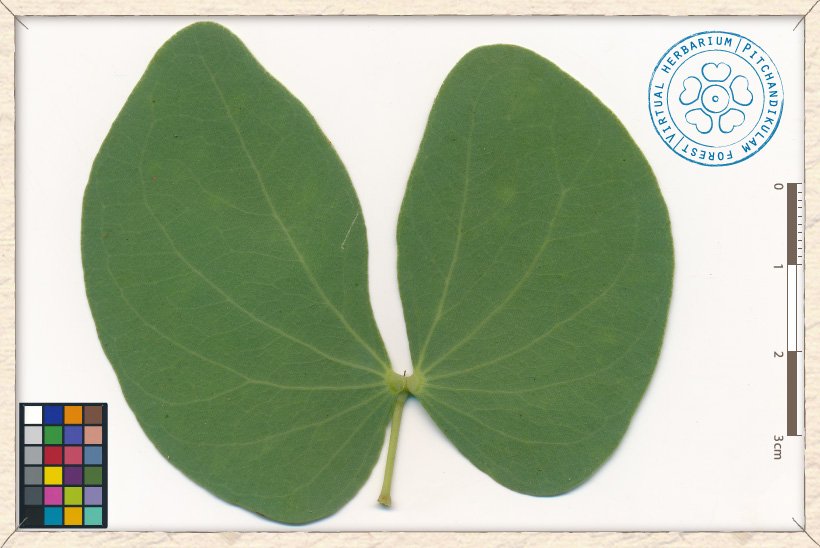
Hardwickia binata compound leaf (upper side)
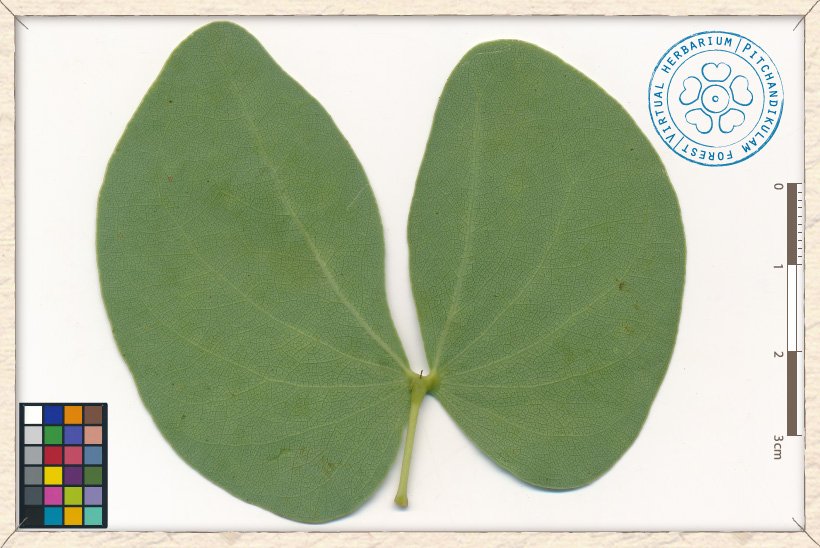
Hardwickia binata compound leaf (lower side)
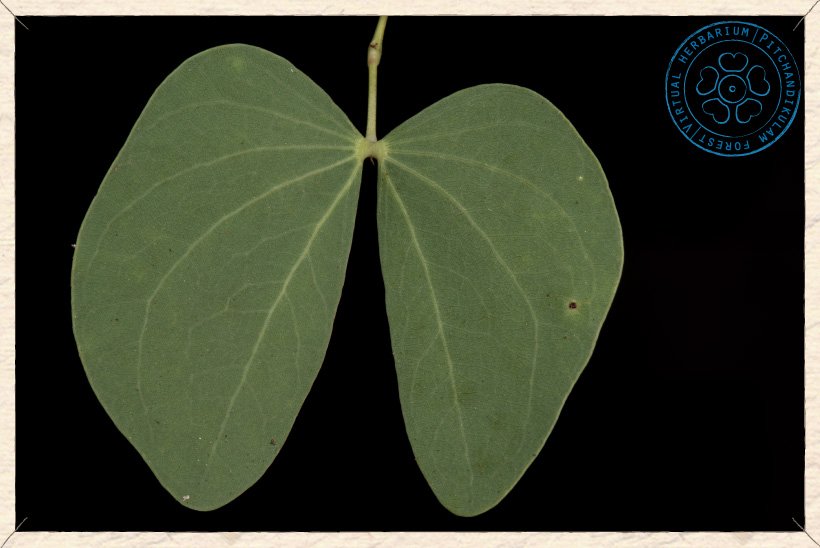
Hardwickia binata leaf (upper side)
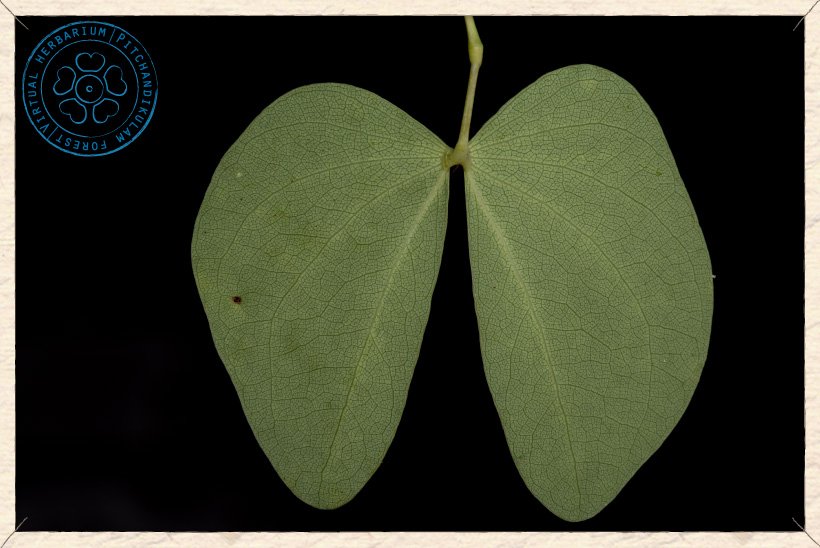
Hardwickia binata leaf (lower side)
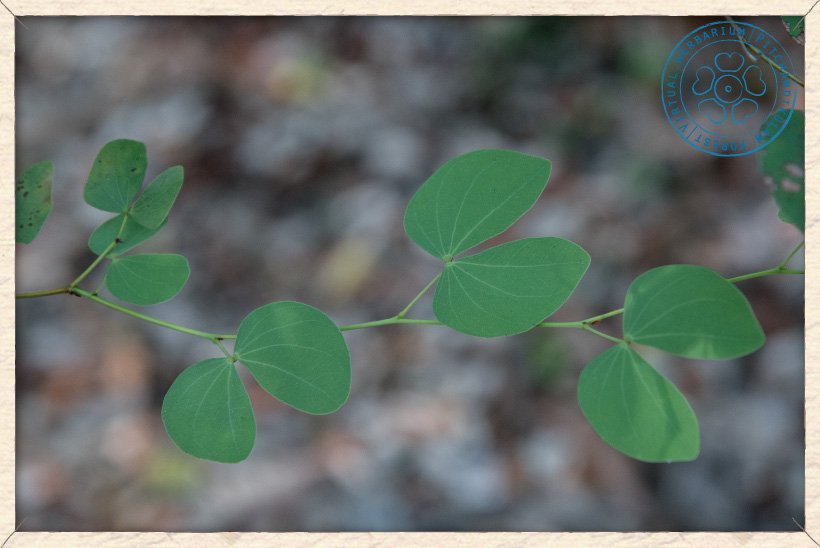
Hardwickia binata leaves
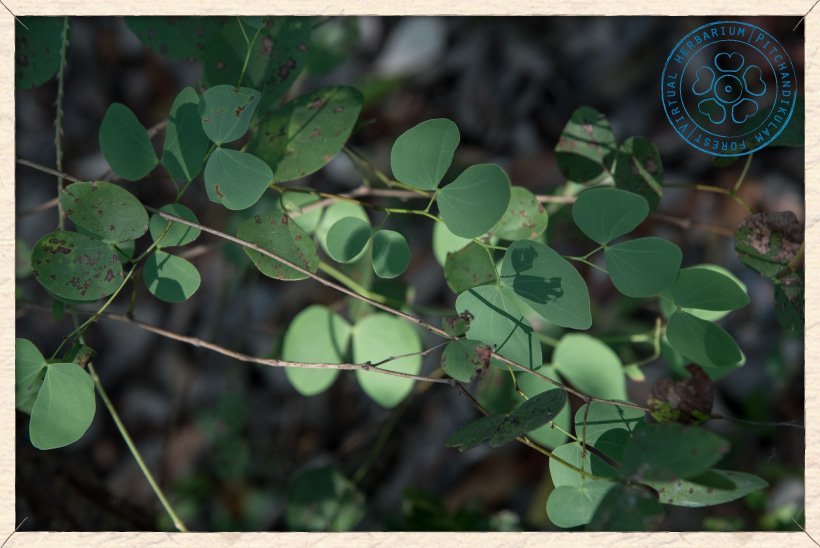
Hardwickia binata foliage
Fruit
The fruit of Hardwickia binata is a samaroid pod. It is flattened, winged, 7-8 cm long and 1.5-1.7 cm wide and brown-coloured. Each pod contains 1 seed.
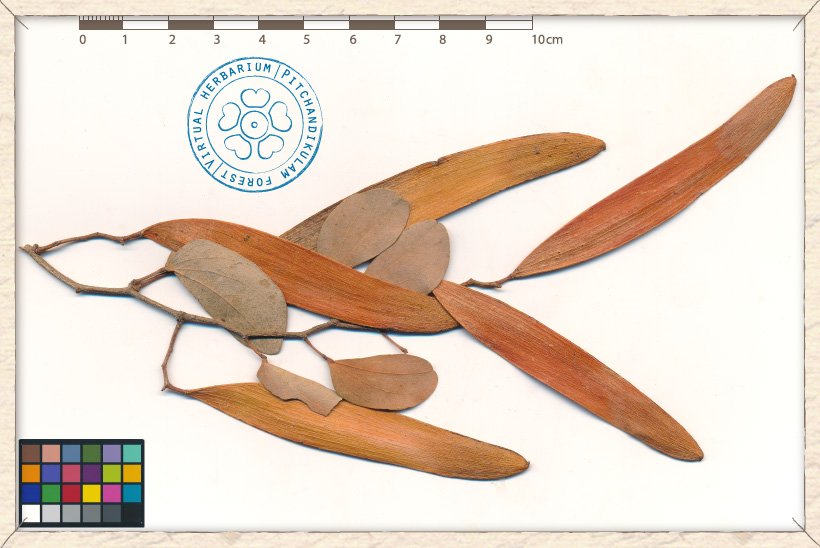
Hardwickia binata fruits
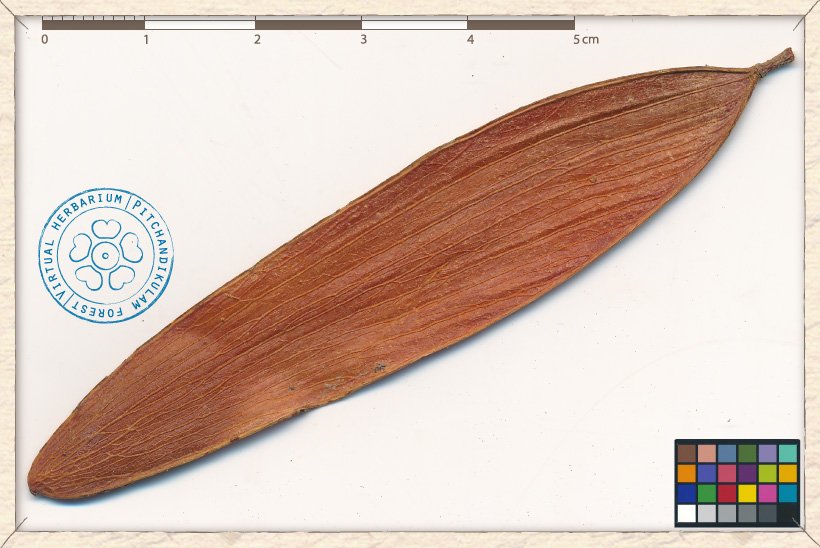
Hardwickia binata fruit
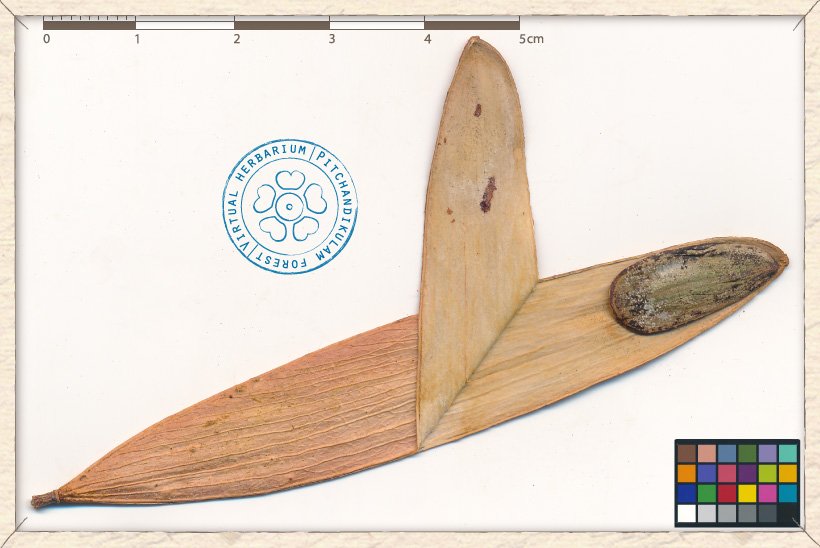
Hardwickia binata open fruit
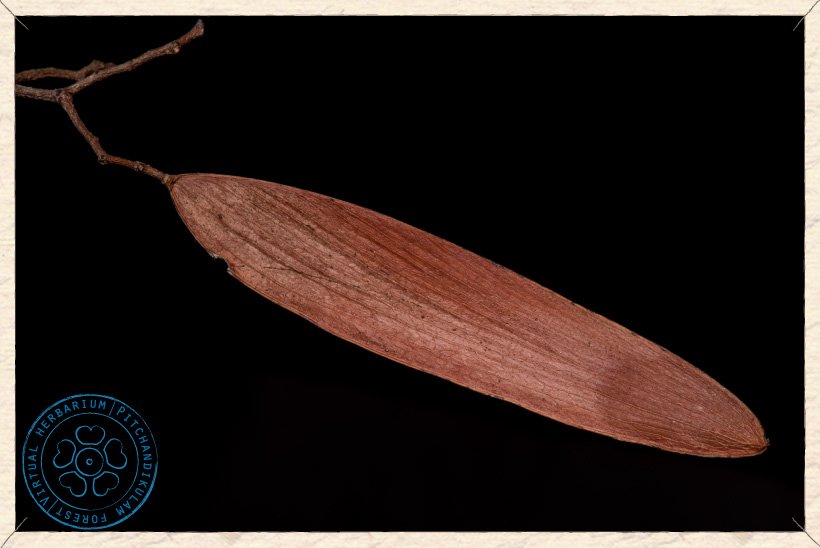
Hardwickia binata fruit
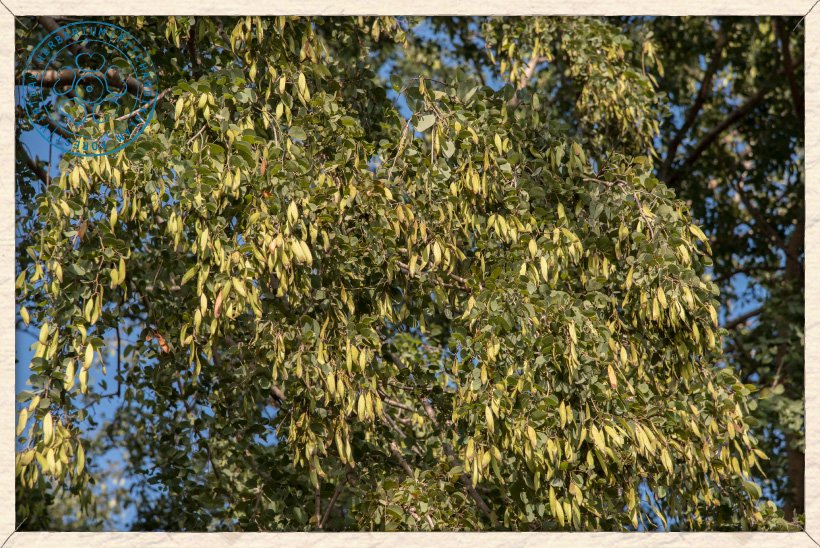
Hardwickia binata unripe fruits
Seed
The seeds of Hardwickia binata are ovate, light brown-coloured and 1.5-2 cm long and 0.7-1 cm wide. There is only one seed per pod.
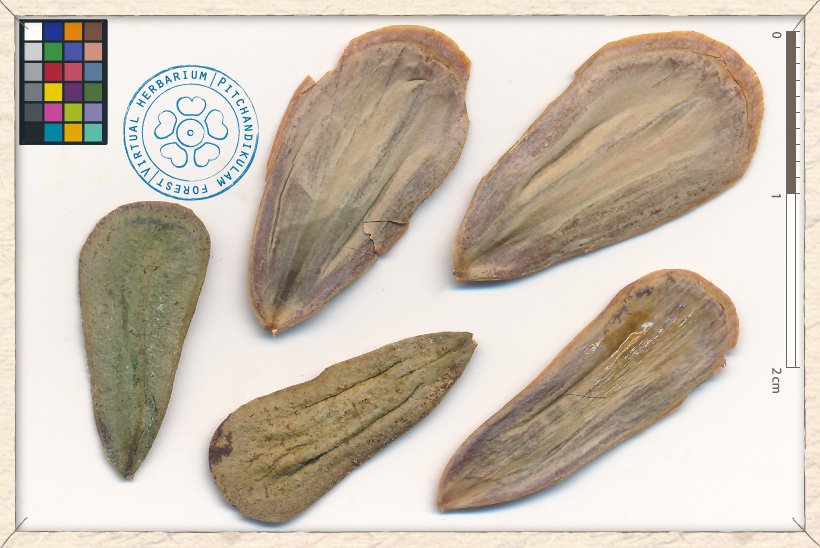
Hardwickia binata seeds
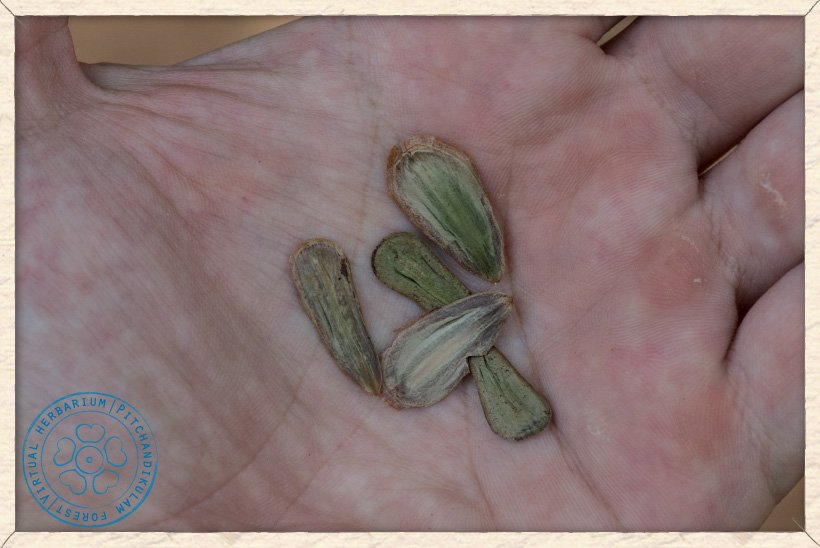
Hardwickia binata seeds
Human Uses
The twigs of Hardwickia binata are used as fodder.
The wood of Hardwickia binata is very hard and closed grained. It is used for beams and mine props, bridge and house construction, agricultural implements...
The bark yields a strong fibre employed for making ropes.
Source : Orwa C., Mutua A., Kindt R., Jamnadass R., Anthony S., 2009, Agroforestree Database: a tree reference and selection guide
Source
Information on this page is sourced from: