Ziziphus jujuba
Rhamnaceae
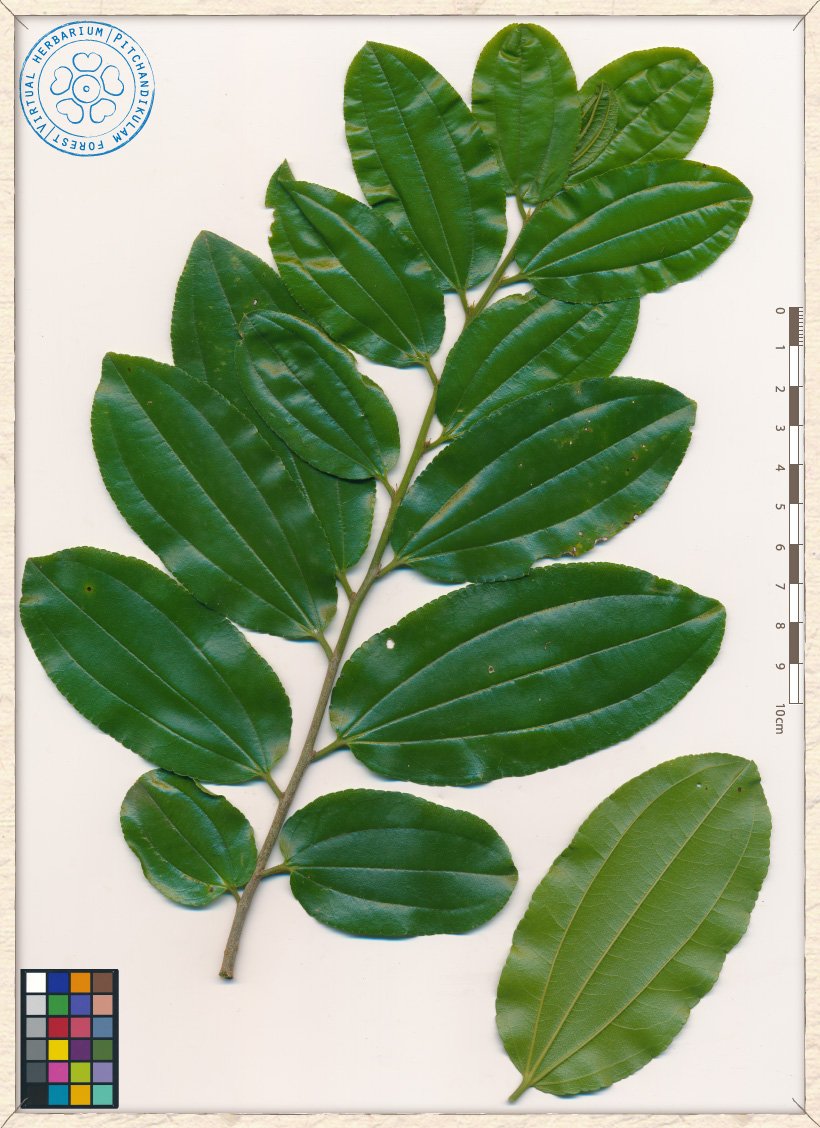
Main specimen
Habit
Ziziphus jujuba is a thorny, small-sized and deciduous tree growing up to 10-12 m high.
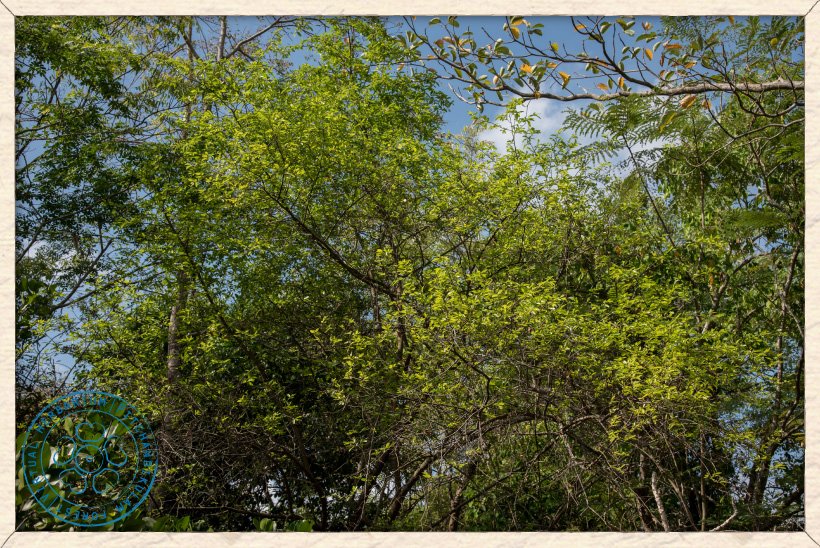
Ziziphus jujuba tree
Stem Bark
The bark of Ziziphus jujuba is dark greyish-coloured with vertical furrows. Ziziphus jujuba is armed with recurved stipular thorns.
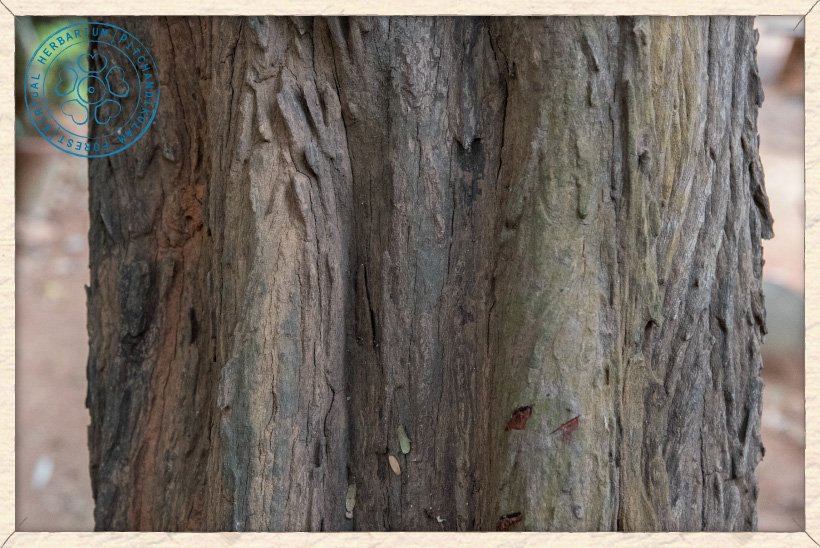
Ziziphus jujuba trunk
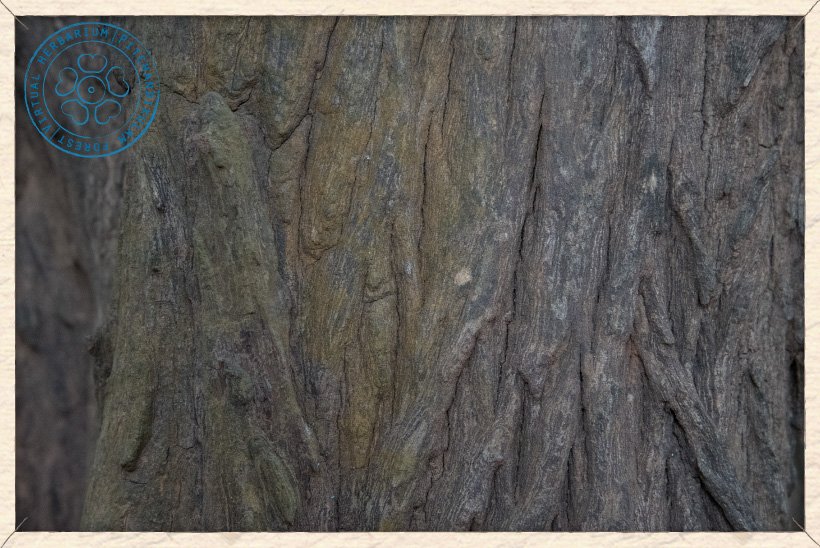
Ziziphus jujuba bark
Leaf
The leaves of Ziziphus jujuba grow alternately on the stem (spirally arranged).
The shape of the leaves are very variable.
The leaf is simple, bright green-coloured above and paler beneath. The leaf is glossy, chartaceous and glabrous above.
The leaves have a 6-8 mm long petiole.
The leaf of Ziziphus jujuba is 5-10 cm long and 3-5 cm wide. The shape of the blade is elliptic, the apex is acute or obtuse, the base is rounded and the margins are denticulate.
The venation of the leaf is reticulate with 3 prominent veins.

Ziziphus jujuba leaf (upper side)

Ziziphus jujuba leaf (lower side)

Ziziphus jujuba shoot

Ziziphus jujuba leaf (upper side)

Ziziphus jujuba leaf (lower side)

Ziziphus jujuba new leaves
Fruit
The fruit of Ziziphus jujuba is a subglobose drupe. It is 2-2.5 cm across, green turning brown-reddish when ripe with a 4-5 mm long peduncle. Each fruit contains one stone.
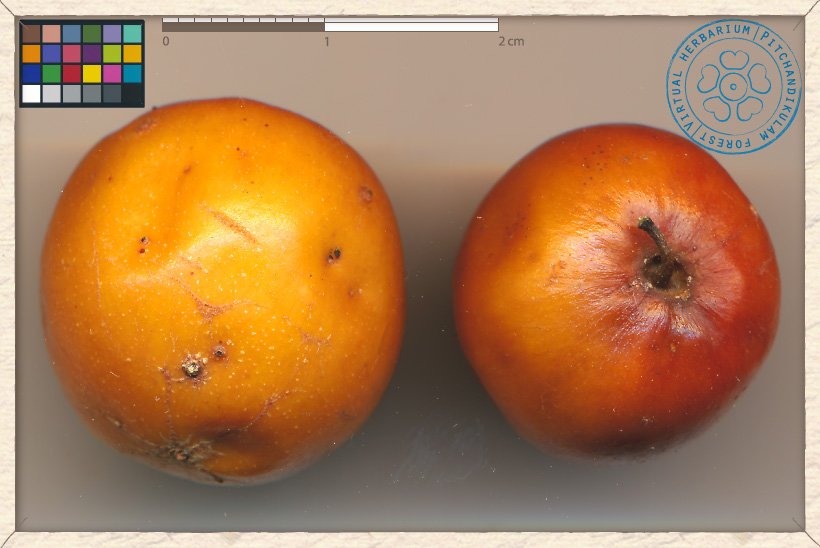
Ziziphus jujuba ripe fruits
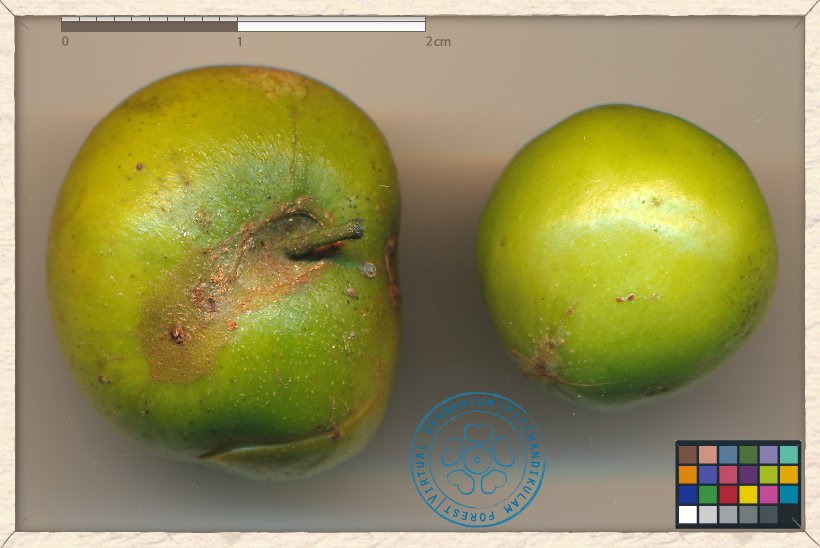
Ziziphus jujuba unripe fruits
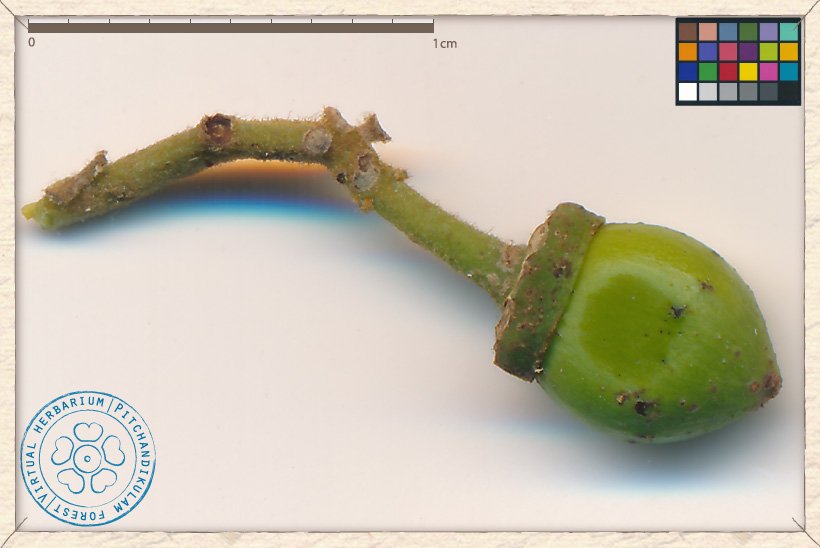
Ziziphus jujuba young fruit
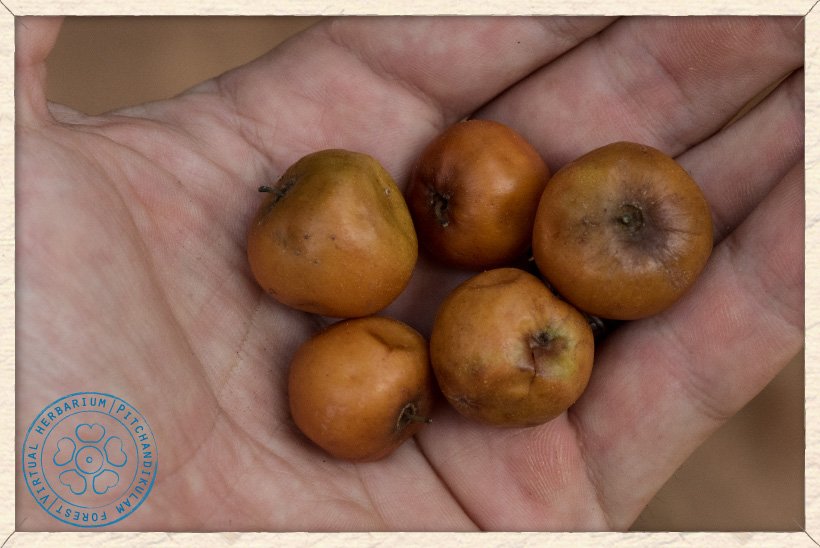
Ziziphus jujuba ripe fruits
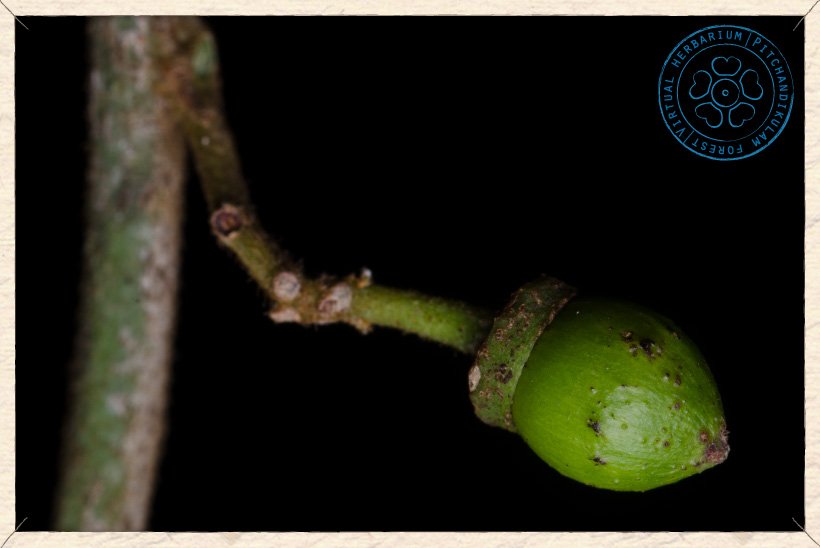
Ziziphus jujuba young fruit
Seed
The seed of Ziziphus jujuba is enclosed into a globose en rough stone. The stone is 1-1.5 cm across and contains one seed.
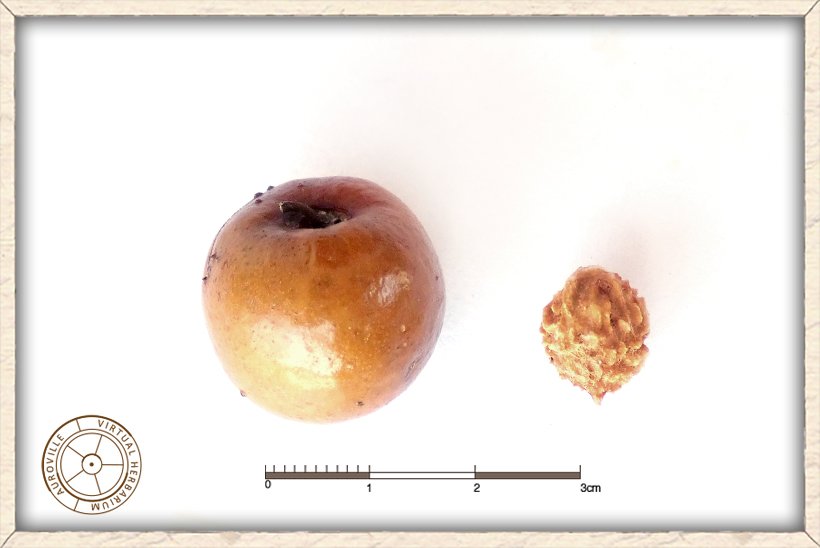
Ziziphus jujuba ripe fruit and washed seed (on right side)
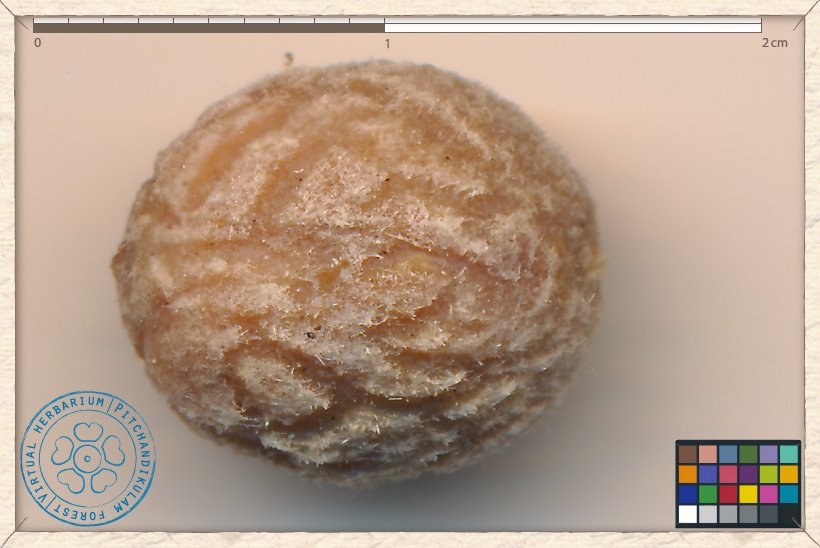
Ziziphus jujuba stone
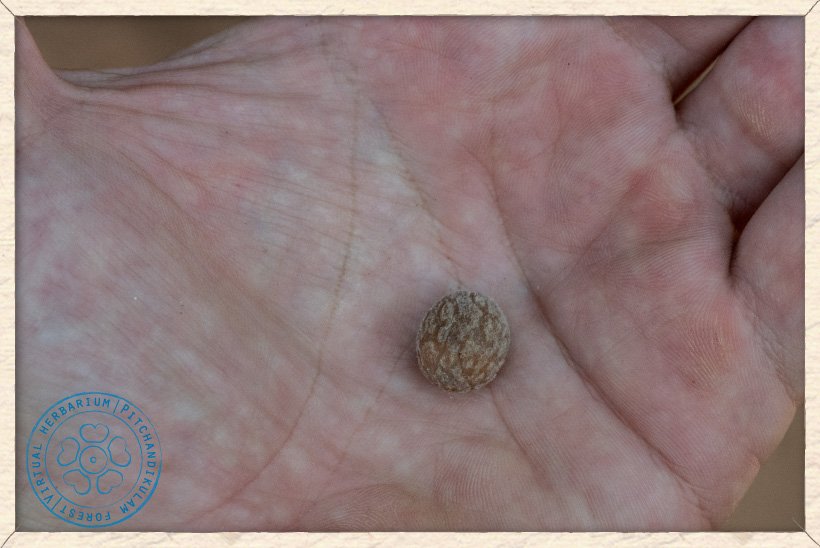
Ziziphus jujuba stone
Human Uses
The leaves of Ziziphus jujuba are used as fodder for goats and sheep.
The wood of Ziziphus jujuba is hard, durable, close-grained and takes a good polish. It is used for agricultural implements, well construction, tool handles, turnery...
The bark is used as a tanning material.
Sources :
- Dastur, 2006, Useful Plants of India and Pakistan
- Orwa C., Mutua A., Kindt R., Jamnadass R., Anthony S., 2009, Agroforestree Database: a tree reference and selection guide
The fruit of Ziziphus jujuba is eaten fresh or dried.
Ziziphus jujuba is used in Ayurveda, Unani and Siddha medicines.
The bark is astringent, constipating and tonic, and is useful in dysentery, diarrhoea, gingivitis and boils.
The stem bark decoction is used to check diarrhea.
The leaves are febrifuge.
The leaves paste are applied on the affected portion to cure scorpion sting.
The fruit is astringent, anodyne, cooling, expectorant and stomachic.
Sources :
- Arya Vaidya Sala, 1996, Indian Medicinal plants
- Basu & Kirtikar, 1918, Indian Medicinal Plants
- Chopra, 1956, Glossary of Indian medicinal plants
- Khare, 2007, Indian Medicinal Plants, An Illustrated Dictionary
- Orwa C., Mutua A., Kindt R., Jamnadass R., Anthony S., 2009, Agroforestree Database: a tree reference and selection guide
- Quattrocchi, 2012, CRC World Dictionary of Medicinal and Poisonous Plants
Ecology
Not specified.
Distribution
The precise natural distribution of Ziziphus jujuba is uncertain due to extensive cultivation, but is thought to be in southern Asia (between Lebanon, northern India, and southern and central China).
Source
Information on this page is sourced from: